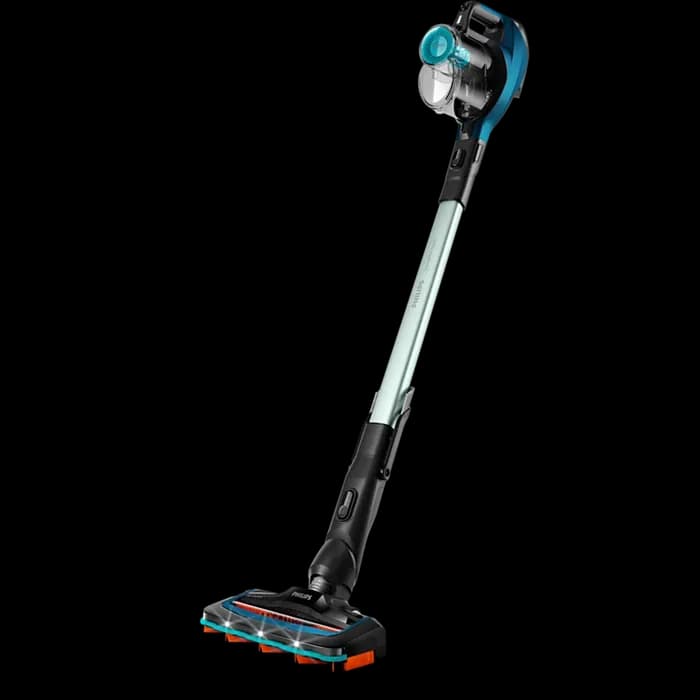
The 8000 Pa suction rating is generated by a 1200 W universal motor, a configuration that prioritizes high static pressure over raw air volume. This motor-to-airway ratio is specifically engineered to overcome the resistance found in 3-stage filtration systems and 10 L bagged configurations. While the 1200 W input is substantial, the internal fan geometry focuses on creating a tight vacuum seal for lifting heavier debris like metal shavings or dense road salt. This makes the unit ideal for heavy-duty workshop tasks or post-renovation cleanup, though it may be overkill for light dusting where lower-wattage, higher-airflow brushless motors often perform with more efficiency.
Filtration architecture relies on a 3-stage CLOTH and SPONGE system, designed to handle the variable particulate sizes common in the Indian environment. The initial cloth stage acts as a primary barrier against large debris and hair, preventing the secondary sponge filter from clogging prematurely. This sponge layer is engineered with specific porosity to capture finer dust particles that have bypassed the first stage. Because both components are washable, the system maintains its 8000 Pa performance over long cycles without the static pressure drop associated with saturated disposable filters. This engineering choice is particularly beneficial for managing the fine, greasy dust found in urban Indian households.
Regarding the power system, the cordless architecture necessitates a 240 V charging protocol to support the high current draw of the 1200 W motor. While the specific battery runtime is categorized as NA, the engineering typically utilizes a CC-CV (Constant Current-Constant Voltage) charging circuit to preserve cell longevity during frequent use. The trade-off between the high motor draw and portability requires efficient thermal management within the motor housing to prevent overheating during intensive cleaning sessions. Users should note that the power delivery is optimized for high-torque bursts, making it more effective for targeted spot cleaning rather than continuous wide-area floor coverage across massive residential properties.
The wet and dry separation mechanism utilizes a baffle design within the 10 L bagged chamber to protect the motor from moisture ingress. When vacuuming liquids, the airflow path is redirected to prevent droplets from reaching the 1200 W universal motor assembly. This design allows the unit to transition from dry debris collection on carpets to liquid suction on hard tiles without mechanical reconfiguration. Proper post-wet-use maintenance is essential, as the cloth and sponge filters must be thoroughly dried to prevent mold growth. This robust internal architecture ensures that the device remains a reliable tool for kitchen spills and accidental bathroom overflows common in domestic life.
The blower function is a technical extension of the motor's exhaust path, rerouting high-velocity air through a dedicated port. Unlike suction, which relies on pressure differentials, the blower mode utilizes the kinetic energy of the 1200 W motor's discharge to dislodge debris from inaccessible areas. In an Indian context, this is particularly effective for cleaning AC vent fins, removing dust from laptop keyboards, or blowing dry leaves from balcony window tracks. The engineering ensures that even while blowing, the internal filters continue to trap recirculated dust, preventing the motor from exhausting particulates back into the room environment. This dual-path airflow design maximizes the utility of the universal motor.
Constructed from high-impact ABS plastic, the 4 kg chassis is designed for durability over extreme portability. The weight is distributed lower in the frame to provide stability when the 10 L bag begins to fill, preventing the unit from tipping during heavy use. The handle design features an ergonomic grip that balances the center of gravity, making the handheld transitions feel less strenuous than the raw weight suggests. A dedicated parking position allows for upright storage in small utility closets typical of 2BHK apartments. This structural engineering ensures that the Homeasy WD10 remains a stable, long-lasting platform for users who prioritize raw power and mechanical reliability over lightweight aesthetics.