

Related Products
GLDC201GT2JC Specifications, Features & Compatibility Guide
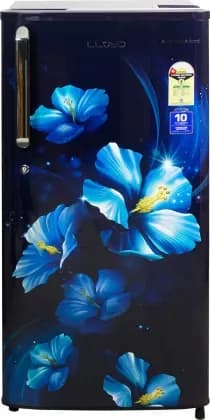
The Lloyd GLDC201GT2JC 188 L direct cool refrigerator is a robust cooling solution specifically designed for small Indian households.This 188-litre unit, featuring a 165 L fridge and 25 L freezer, utilizes a reliable reciprocating compressor to deliver consistent performance.
Quick Answer
Yes, the Lloyd GLDC201GT2JC is a strong contender if you need a reliable 188 L refrigerator for a 2-3 member Indian household. Its 1 Star efficiency and robust reciprocating compressor deliver consistent cooling performance with reduced long-term operational costs. This model is ideal for residential spaces prioritizing dependable daily food storage over high-end features. It's built for consistent cleaning and everyday use.
Opt for the Lloyd GLDC201GT2JC if your 2-3 member Indian family needs a dependable, energy-conscious 188 L refrigerator for daily residential use. Avoid this model if your requirements exceed standard residential capacity or if upfront cost is a higher priority than long-term energy savings.
✓ Who Should Buy
- •188 L (165 L fridge + 25 L freezer) 1 Star performance suitable for residential spaces.
- •Verified efficiency of standard rating for reduced long-term operational costs.
- •Structural stability for consistent cleaning under rigorous use cases.
- •Hardware durability via premium components and R600a technology.
- •Built-in grid protection with Standard power cycle voltage management.
✕ Who Should Avoid
- •Spaces or usage requirements exceeding residential rated capacity.
- •Installations prioritizing minimum capital expenditure over high-efficiency performance.
- •Unstable grid conditions exceeding the functional threshold of Standard power cycle.
- •Environments incompatible with refrigerators physical and thermal dissipation specs.
| Country Of Origin | India |
| Brand | Lloyd |
| Model | GLDC201GT2JC |
| Type | Single Door |
| Launch Year | 2024 |
| Panel Display | None |