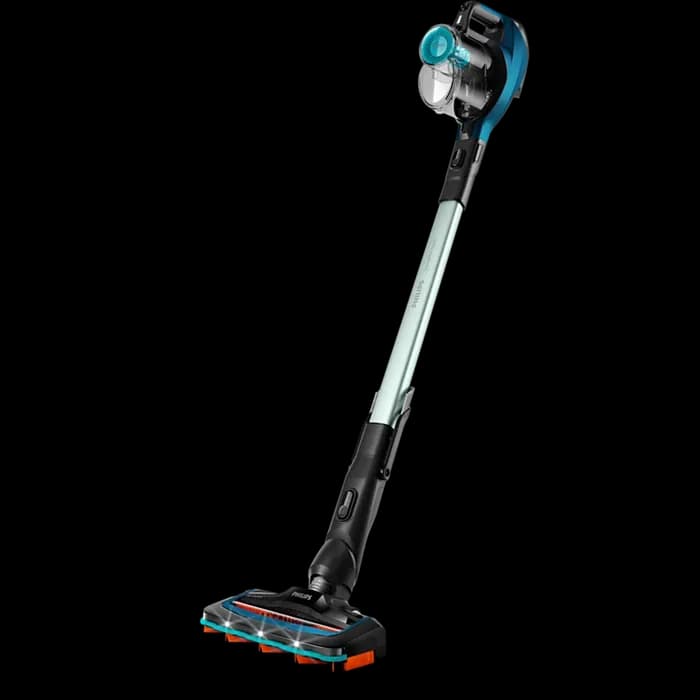
The suction pressure engineering of this unit is centered around the NA NA motor configuration, which is designed to maximize static pressure within a compact 0.1688 kg chassis. This motor-to-airway ratio is optimized for surface-level debris removal on wood flooring, where airflow velocity is more critical than raw deep-carpet extraction force. By utilizing a direct-path airway, the unit minimizes turbulence, allowing the NA suction to remain constant even as the battery levels fluctuate. This makes the device ideal for picking up localized spills and fine dust particles, though it is not intended for heavy industrial debris or wet waste management.
Filtration architecture is handled by a Single Stage-stage HEPA system that utilizes high-density pleated media to capture particles as small as 0.3 microns. In the context of Indian environments, this is vital for trapping PM2.5 particles and fine road dust that often bypasses standard foam filters. The washable construction of the HEPA media allows users to maintain peak airflow without frequent replacement costs, which is a significant advantage for daily maintenance in dusty urban areas. Each pleat is engineered to provide maximum surface area for air exchange, ensuring the motor does not strain or overheat during operation.
The battery and power system utilizes a specific cell configuration that provides NA runtime on a single charge. The charging logic follows a CC-CV protocol, ensuring battery longevity by preventing overvoltage during the final stages of the NA charging cycle. For Indian users, this translates to a reliable tool for focused tasks such as car detailing or sofa maintenance where corded power is inaccessible. The trade-off between the ultra-light motor draw and the battery capacity is finely balanced to ensure that suction remains at peak levels until the final moments of the discharge cycle.
Regarding dust management, the internal mechanism is engineered for dry particulate separation to protect the motor from fine silt and pet dander. Since this model is strictly for dry use, the airway design prevents moisture from reaching the sensitive Single Stage-stage HEPA media, which would otherwise lead to mold or odors in humid Indian climates. The NA bagged capacity is housed within a quick-release chamber that allows for hygienic disposal of collected waste. This focused dry-use architecture ensures the internal seals remain airtight, preventing dust leakage from the exhaust which is a common failure in cheaper handheld devices.
Instead of a blower, the device integrates a mechanical pet hair tool that leverages the motor's intake pressure to lift fibers from deep within textile weaves. This engineering decision prioritizes lift efficiency on upholstery, making it more effective for sofa and mattress cleaning than multi-function tools that compromise suction for blow-dry capabilities. By narrowing the intake nozzle specifically for the pet hair attachment, the device increases the localized air velocity, which is necessary for removing stubborn hair that clings to fabric via static electricity. This makes it a specialized tool for households with high-shedding pets on fabric furniture.
The chassis is constructed from high-grade ABS, contributing to the extremely low 0.1688 kg weight while maintaining structural integrity during accidental drops. The handle design follows ergonomic principles that place the center of gravity near the palm, reducing the torque on the user's wrist when cleaning overhead AC vents or high shelves. This lightweight construction does not compromise the motor housing, which includes sound-dampening baffles to manage the 84 dB noise output. Ultimately, the T20 Omni_PRO_MAX T20 Pro_Max Plus is engineered as a precision tool for agile maintenance rather than a heavy-duty floor extractor.