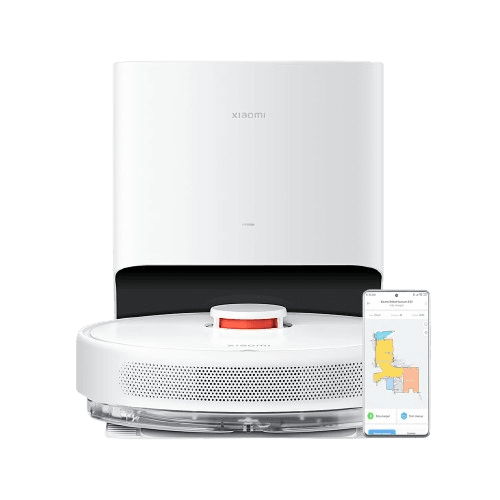
The vacuum achieves its 4000 Pa suction pressure through a high-velocity 46 W motor optimized for a high motor-to-airway ratio. This engineering choice prioritizes static pressure over high-volume airflow, making the unit particularly effective at pulling fine particles from flat surfaces like tile or wood flooring. While it may not match the massive air volume of industrial 1000W motors, the concentrated suction path is tuned for the specific resistance of pet hair and fine road dust. This makes the device ideal for targeted surface cleaning where localized pressure is more important than bulk debris movement.
The filtration architecture centers on a Single Stage-stage HEPA system designed to capture particles as small as 0.3 microns. By using a washable construction, the engineers have accounted for the high dust-load typical of Indian urban environments, where filters can clog rapidly. This system ensures that expelled air is free from dander and allergens, which is vital for maintaining indoor air quality in compact apartments. The durability of the HEPA material allows for repeated rinsing, ensuring that the airflow remains unblocked by fine silt or pollen over hundreds of use cycles.
The power system utilizes a sophisticated battery configuration that supports a 180 min runtime, a figure achieved through efficient energy management of the 46 W draw. Charging is managed via a CC-CV protocol that takes approximately 4 hours to reach full capacity, protecting the battery cells from thermal stress. For the average Indian user, this trade-off between a longer charging window and an exceptionally long operational time is beneficial for sessions involving multiple rooms. This runtime-to-motor-draw ratio represents a significant engineering shift toward endurance rather than short-burst, high-wattage power consumption.
With a 0.4 L bagged dust capacity, the internal chamber is designed for streamlined airflow that minimizes turbulence. Unlike bagless systems that often lose suction as they fill, this bagged architecture maintains a more consistent pressure profile until the bag is nearly full. This design also offers a more hygienic disposal method for fine Indian road dust, preventing it from re-entering the room during emptying. The internal baffle design ensures that even as the bag expands, the primary motor intake remains unobstructed, preserving the integrity of the vacuum's performance throughout the cleaning cycle.
The attachment ecosystem, including the side brush and mop pad, is engineered to complement the suction motor by mechanical agitation. On hard surfaces, the side brush pulls debris toward the center of the suction nozzle, compensating for the compact width of the handheld form factor. The mop pad allows for a light dry-wipe action on tile flooring, assisting in the removal of stuck-on dust that suction alone might miss. This mechanical synergy allows a 46 W device to perform tasks usually reserved for higher-wattage machines by focusing the cleaning energy on specific contact points.
Ergonomically, the chassis is constructed from high-grade ABS, keeping the total weight at an incredibly low 0.204 kg. This ultra-lightweight design reduces wrist fatigue during extended 180-minute sessions, a critical factor for users cleaning high AC vents or car headliners. The handle design is balanced to ensure the center of gravity remains near the palm, providing precise control over the nozzle's movement. By combining this level of portability with reliable suction power, the X10 establishes itself as a highly specialized tool for maintenance cleaning that overcomes the physical limitations of traditional models.