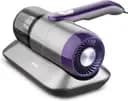
The suction pressure engineering of this unit focuses on a targeted 12000 Pa output generated by a high-speed motor. This pressure rating is specifically calibrated for soft-surface extraction where airflow resistance is higher. By optimizing the motor-to-airway ratio, the device maintains static pressure even when the nozzle is pressed firmly against a mattress or sofa. This makes it highly effective for extracting fine dust embedded in fabric fibers, though it may struggle with heavy gravel compared to high-wattage corded units. The balance between air velocity and suction ensures efficient debris lift without damaging delicate upholstery materials.
Filtration architecture is centered around a 1-stage HEPA system designed for longevity in the dusty Indian climate. This single-stage approach minimizes airflow restriction while effectively capturing particles as small as 0.3 microns, including pollen and dander. The washable construction of the filter is a critical engineering choice, allowing users to remove fine road dust buildup that would otherwise clog the system and reduce suction over time. Regular rinsing restores the pressure gradient across the filter, ensuring the motor does not overheat due to restricted airflow during extended sessions in 1BHK or 2BHK apartments.
The battery and power system utilize a cordless configuration designed for portability. Engineering trade-offs involve balancing the high current draw required for 12000 Pa suction against the compact chassis size. The system likely employs a multi-cell lithium-ion pack to maintain voltage stability during operation. For Indian users, this cordless design eliminates the safety risks of tangled wires in cramped spaces. While the runtime is focused on spot cleaning, the internal power management system protects the cells from deep discharge, which is essential for maintaining battery health across several years of frequent household use.
Regarding the dust management mechanism, the device uses a 0.5 L bagless bin with a straightforward separation design. Because this model is not designed for wet and dry use, the internal baffles are strictly optimized for dry debris. The air-dust separation occurs within the primary chamber before reaching the HEPA filter, preventing larger particles like pet hair from prematurely blinding the fine mesh. This design ensures that the suction remains consistent until the bin reaches its 0.5 L capacity. Motor protection is reinforced by the dry-only architecture, preventing moisture ingress that could lead to short-circuiting.
This model lacks a blower function, prioritizing pure vacuum extraction for specialized tasks like mattress and curtain maintenance. Technical focus is instead directed toward the UV pad and pet hair tool attachments. The UV mechanism is engineered to disrupt the biological processes of dust mites, which is a significant advantage for Indian households dealing with high humidity and dust levels. The pet hair tool uses friction and high-velocity air channels to lift stubborn fibers that standard floor brushes often miss. This makes the engineering profile superior for fabric hygiene compared to generic, multi-purpose handheld vacuums.
The chassis is constructed from high-grade ABS plastic to maintain a total weight of 2 kg, balancing durability with user comfort. The ergonomic handle design allows for natural wrist positioning during overhead cleaning of curtains or AC vents. Its compact footprint and 2 kg mass ensure it is easy to maneuver inside car interiors or tight storage closets. The external housing is designed to dissipate heat efficiently from the motor, preventing the grip from becoming uncomfortable. Ultimately, the Jett Handheld UV Mattress Vacuum reflects a calculated design intent focused on localized, high-pressure extraction for fabric-heavy environments.