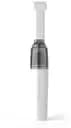
The 16 kPa suction pressure is generated by a high-velocity 120 W DC motor that optimizes the motor-to-airway ratio for maximum static pressure. In a handheld form factor, achieving this level of suction requires precise fan blade geometry to minimize turbulence. This specific pressure level is ideal for lifting granular debris like sand or rice, though it differs from high-wattage corded units by focusing on localized velocity rather than massive air volume. The engineering focus here is on the seal between the nozzle and surface, ensuring that the 16,000 Pascals of pressure are concentrated on the contact point for efficient dust extraction.
The filtration architecture centers on a Single Stage-stage HEPA system designed to capture 99.97% of particles down to 0.3 microns. Unlike multi-cyclonic systems that add weight, this streamlined approach uses a high-density pleated media that serves as both the primary and secondary barrier. In the Indian context, where fine silt and construction dust are prevalent, the washable nature of this filter is a critical engineering choice. It prevents the motor from overheating due to airflow restriction while maintaining the integrity of the mesh over hundreds of cleaning cycles, ensuring sustained suction performance over the product's lifespan.
Powering the 120 W motor is a 12 V cell configuration managed by a CC-CV (Constant Current-Constant Voltage) charging protocol. This ensures the battery reaches a full state of charge in 4 hours while protecting the cells from thermal degradation. The 22-minute runtime is a calculated trade-off between battery weight and motor draw, providing enough energy for a thorough car detailing or a multi-surface sofa cleaning. For Indian users, this runtime allows for targeted cleaning of high-traffic areas without the fatigue associated with heavier battery packs, balancing portability with the necessary current to sustain high-torque motor speeds.
The wet and dry separation mechanism utilizes an internal baffle design within the 0.5 L bagless bin to redirect liquid away from the motor housing. Airflow is channeled through a moisture-resistant path, allowing the unit to safely ingest small amounts of spilled liquids without short-circuiting the electronics. Maintenance is straightforward: the bin must be rinsed and dried post-wet-use to prevent microbial growth. This engineering feature is particularly useful for Indian kitchens or dining areas where liquid spills are common, offering a versatile solution that handles both dry dust and wet messes within a single compact chassis.
The internal geometry of the intake manifold is engineered to maintain laminar flow, reducing noise levels to 74 dB while maximizing the kinetic energy of the incoming air. By minimizing sharp bends in the suction path, the 120 W motor works more efficiently, translating electrical energy into high-velocity airflow. This design prevents clogs from pet hair or larger debris, ensuring that the suction remains consistent even as the 0.5 L bin reaches capacity. This focus on fluid dynamics allows the device to perform tasks like AC vent cleaning where steady, high-pressure airflow is required to dislodge stuck-on grime.
Constructed from high-grade ABS plastic, the chassis is engineered for a total weight of 0.3 kg, making it one of the lightest units in its class. The ergonomic handle is positioned to align the center of gravity with the user's wrist, reducing strain during extended overhead cleaning of ceiling fans or high shelves. The parking position and attachment storage are integrated into the footprint to minimize storage space in 1BHK apartments. Every aspect of the frame is designed to protect the internal components from accidental drops while maintaining the sleek profile of the _1100 as a premium cleaning tool.