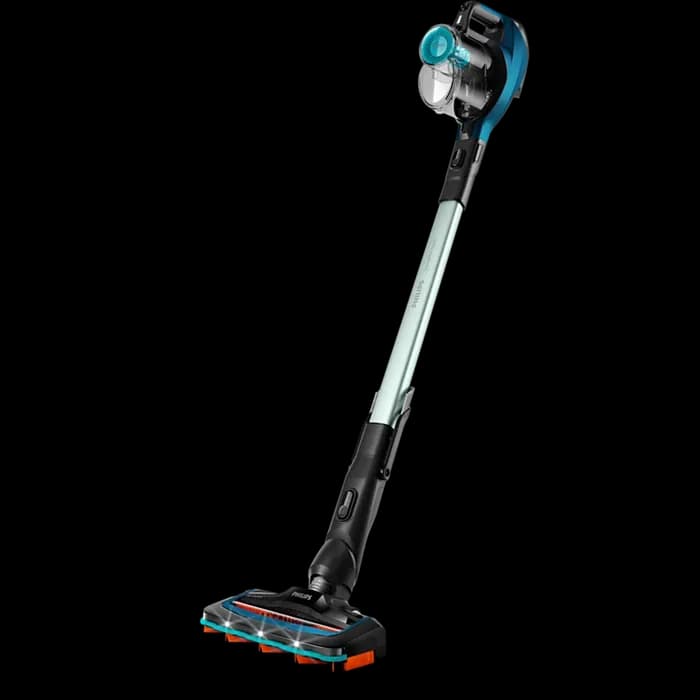
The engineering of the 1200 W durable motor is optimized to provide high static pressure, translating into NA effective suction despite its energy-efficient profile. This motor-to-airway ratio is meticulously tuned to ensure that the airflow remains laminar, reducing turbulence that often causes suction loss in less sophisticated designs. For Indian users, this means the device can extract fine dust from deep within carpet fibers while maintaining enough velocity to lift heavier debris from hard floors. While it may not reach the extreme pressure of industrial corded units, it offers a balanced trade-off between power consumption and cleaning efficacy.
The filtration architecture comprises a 3-stage HEPA and SPONGE system, which is critical for maintaining indoor air quality in dust-prone environments. The primary sponge filter captures larger debris, while the secondary layers and the HEPA media trap microscopic allergens down to 0.3 microns, including pollen and fine road dust. Because these filters are fully washable, they offer an eco-friendly and cost-effective solution for Indian households that clean daily. This design prevents clogs and maintains airflow, ensuring the motor operates at peak efficiency. Regular washing of the sponge elements prevents the recirculation of dust mites into the living space.
The power system utilizes a high-capacity battery pack with an NA cell configuration designed for longevity and heat dissipation. It employs a CC-CV (Constant Current-Constant Voltage) charging protocol to protect the internal chemistry from the voltage fluctuations common in Indian residential power grids. This management system ensures that the motor draw is balanced against the remaining charge, preventing sudden power drops during intensive cleaning sessions on carpets or mattresses. Practical use suggests that Indian users should adhere to the recommended charging cycle to maintain optimal runtime over the years. This electrical architecture reflects a commitment to long-term reliability.
The wet and dry separation mechanism is a standout engineering feature, utilizing a bypass motor design that prevents moisture from entering the electrical housing. With its 20 L bagged capacity, the unit manages substantial liquid spills and wet debris common in Indian utility areas during the monsoon. The internal baffle system ensures that the airflow remains consistent even as the tank fills, preventing motor strain. Maintaining this system requires simple rinsing of the tank and the sponge filter after wet use to prevent odor buildup. This robust design ensures the device remains a reliable asset for both indoor spills and garage-based cleaning projects.
The integrated blower function operates by reversing the internal airflow, focusing the 1200 W motor’s output through a narrow nozzle to dislodge stubborn particles. This is particularly effective for cleaning AC vent grime and WFH keyboard setups where suction alone might be insufficient to reach deep crevices. Technically, the blower utilizes the same high-velocity air stream used for suction, redirecting it through a dedicated exhaust port for maximum pressure. In an Indian context, this feature is invaluable for clearing balconies or drying damp spots in the garage. This dual-purpose engineering eliminates the need for separate compressed air canisters or specialized equipment.
The chassis is constructed from high-grade ABS plastic, providing a balance between impact resistance and a lightweight 2.8 kg profile. The ergonomic handle design allows for comfortable maneuvering across large floor areas, while the parking position ensures stable storage in compact 1BHK or 2BHK apartments. Every component, from the extension pipes to the floor-cum-carpet brush, is engineered for a secure friction fit to minimize air leakage. This focus on structural integrity prevents the whistling common in lower-quality units. Ultimately, the Ares 1200 Watt, 20 Litre Tank represents a fusion of durable materials and user-centric design for consistent household maintenance.