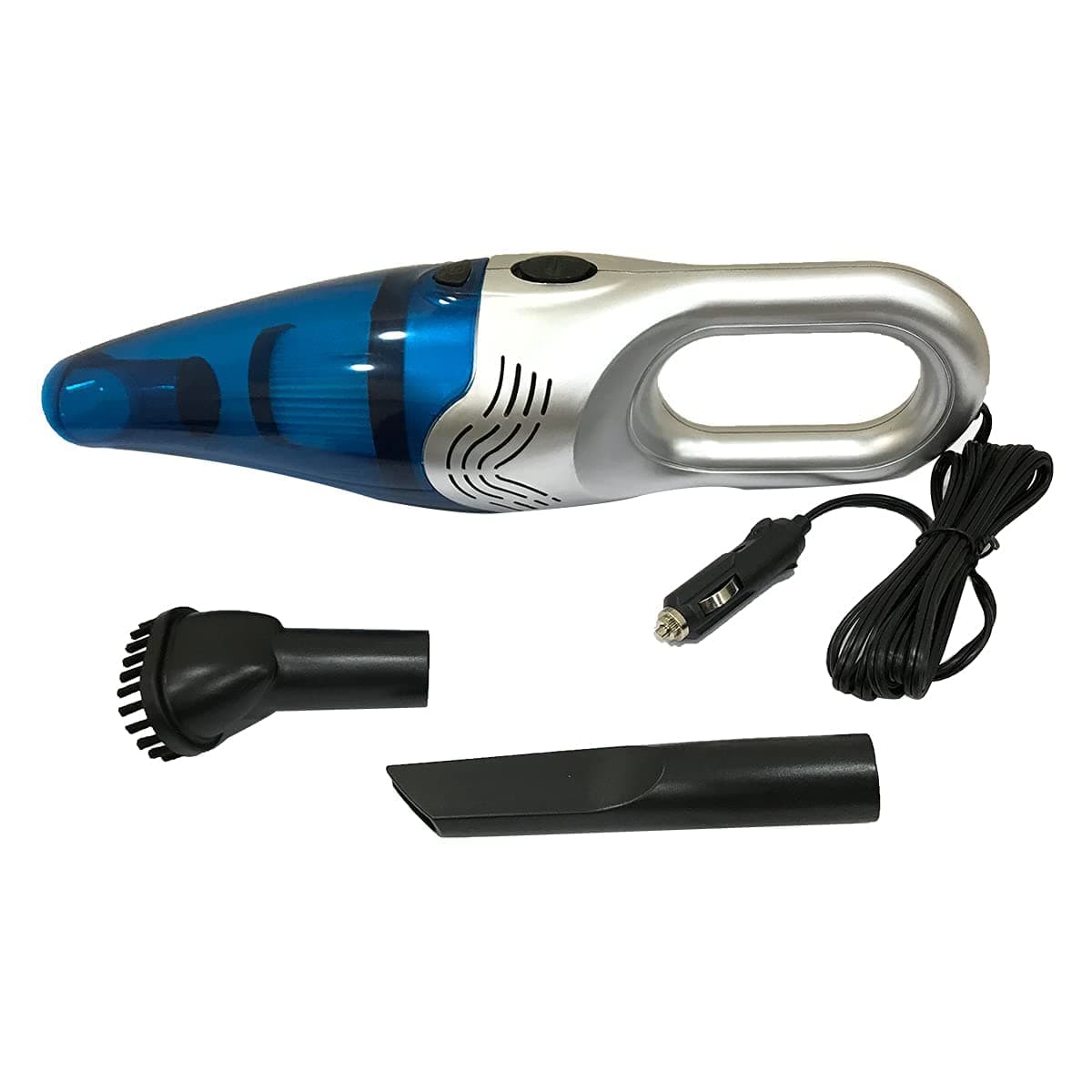
Suction pressure engineering to reach 3500 Pa from a 100 W motor requires optimized internal geometry. The static pressure generated is sufficient to overcome the resistance of the HEPA media while maintaining a steady velocity for particle entrainment. In engineering terms, the motor-to-airway ratio is tuned for high-velocity pickup rather than deep-carpet agitation. This makes the system ideal for surface-level debris like fine road dust or crumbs, though it may struggle with heavy grit embedded in thick rugs. The universal motor architecture provides a reliable torque curve, ensuring that suction does not drop significantly as the dust bin fills.
The 1-stage HEPA filtration system is a critical component for maintaining indoor air quality in dusty Indian cities. This filter is designed to capture 99.97% of particles as small as 0.3 microns, including PM2.5 pollutants and common allergens like pollen or dander. The washable construction is particularly beneficial in the local context, as it allows users to rinse away the fine silt that often clogs non-washable filters. By maintaining a clean filter, users ensure the motor operates within its thermal limits, extending the operational lifespan of the unit. This simplified single-stage architecture reduces the complexity of maintenance for the average consumer.
Powering this cordless handheld vacuum cleaner is a battery system utilizing a 12 V configuration to drive the 100 W load. The runtime of 30 minutes is achieved through a balanced discharge rate, though users should be aware that continuous high-load operation may lead to thermal throttling. While the specific charging time is not rated, the use of CC-CV (Constant Current-Constant Voltage) protocols is standard for ensuring cell longevity. For Indian users, it is recommended to charge the device in a cool, ventilated area to prevent heat buildup. This runtime is perfectly suited for focused spot-cleaning tasks rather than whole-house vacuuming sessions.
The wet and dry separation mechanism utilizes a baffle design within the dust cup to prevent moisture from reaching the motor housing. With a 0.45L bin capacity, it can handle small spills, such as spilled tea or condensation on window sills, without compromising the internal electronics. It is vital to empty the bin and dry the filter completely after any wet usage to prevent mold growth or odors, which are common issues in humid Indian climates. This engineering choice adds a layer of durability, making the unit resilient against the accidental liquid intake that often ruins suction-only portable vacuum cleaners.
Although this model lacks a blower function, it compensates with specialized attachments like the duck mouth suction tool and fabric brush. The duck mouth tool is engineered to narrow the airflow path, effectively increasing the localized air velocity for extracting grime from AC vents or sliding window tracks. The fabric brush provides the necessary mechanical agitation to lift pet hair and fibers from upholstery, allowing the suction to pull them into the bin. These tools are essential for addressing the specific challenges of Indian households, where fine dust often bonds with surfaces due to humidity, requiring more than just raw suction.
Constructed from high-grade ABS plastic, the chassis is both lightweight at 0.73 kg and durable enough for daily handling. The handle design follows ergonomic principles to reduce wrist strain during extended overhead cleaning of fans or high shelves. Its parking position and compact form factor allow for easy storage in kitchen cabinets or car glove boxes, making it highly accessible for quick spills. The engineering focus on weight reduction ensures that even elderly users can operate the device comfortably for the full 30-minute duration. Ultimately, the OSHO VC 03 represents a well-balanced intersection of portable design and functional cleaning performance.