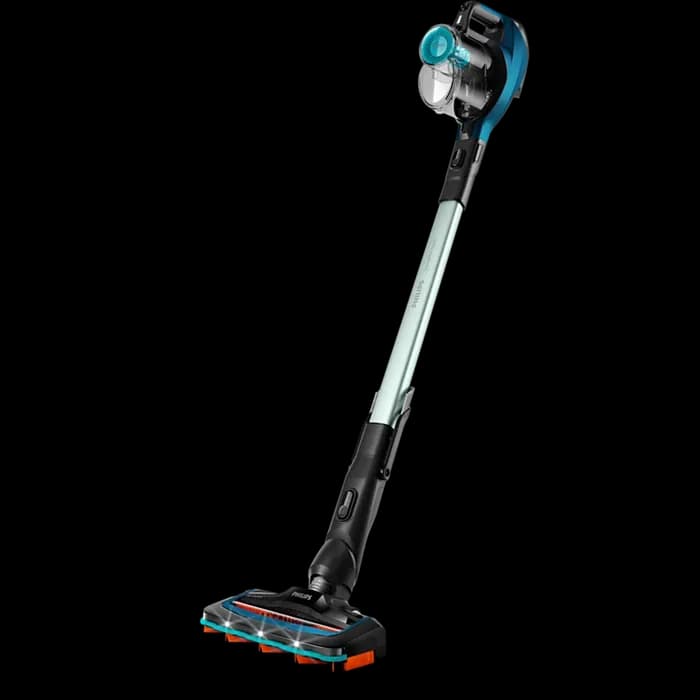
Achieving 6000 Pa of vacuum pressure from a modest 5 W DC motor requires a highly optimized centrifugal fan design. The engineering team focused on the motor-to-airway ratio to ensure that static pressure remains high enough to lift dense particles like sand or cement floor dust. Unlike high-wattage corded motors that rely on brute force, this unit utilizes airflow velocity to compensate for lower raw wattage. This specific balance makes the unit ideal for surface-level debris and fine particulates but indicates it is not intended for deep-pile carpet extraction where higher mechanical agitation and raw wattage are required.
The 3-stage HEPA filtration system is the primary barrier against secondary pollution. The first stage consists of a mesh pre-filter for large debris, followed by a secondary layer for fine dust, and finally the HEPA element that traps PM2.5 particles. This multi-layered approach prevents the motor from clogging, which is critical given the fine silt common in Indian cities. Because the entire filter assembly is washable, the user can maintain peak suction performance without the constant need for proprietary replacements, ensuring the unit remains effective against pet dander and common household allergens over long-term use.
The power system leverages a 12 V cell configuration designed to maintain a consistent discharge rate over the 40-minute runtime. Engineering a three-hour charging cycle using CC-CV protocols ensures battery longevity by preventing overheating during the final stages of the charge. The motor draw is carefully regulated to prevent voltage sag, which typically plagues entry-level cordless tools. This regulated output ensures that the suction remains stable from the first minute to the last, making it a reliable choice for Indian users who need predictable performance for quick morning cleaning routines during hectic workdays.
To facilitate wet-and-dry capability, the internal chassis features a baffle design that separates liquid from the motor assembly. While the 2 L bagged capacity handles dry debris, the internal moisture trap protects the 5 W motor from short-circuiting when picking up light spills. This engineering choice requires the user to perform post-use maintenance, specifically drying the filter and bin to prevent microbial growth. This dual-purpose architecture is particularly useful for Indian kitchens where spice spills or liquid splashes on granite countertops are frequent, providing a hygienic alternative to traditional cloth wiping methods.
The blower function is achieved by redirecting the motor's exhaust through a concentrated nozzle. This technical mechanism converts the vacuum's discharge into a high-velocity air stream, perfect for dislodging dust from AC vents or heat sinks where suction alone cannot penetrate. In the Indian context, this is invaluable for electronics maintenance and clearing debris from sliding window tracks. By utilizing the existing airflow rather than adding a separate motor, the engineers have kept the weight at 0.35 kg while expanding the tool's versatility across multiple home and automotive applications without increasing user fatigue.
Constructed from high-impact ABS plastic, the chassis is designed for durability without adding unnecessary mass. The ergonomic handle is positioned to align the center of gravity with the user's wrist, reducing fatigue during extended 40-minute sessions. The parking position and compact nozzle attachment make it easy to store in tight spaces typical of urban apartments. Every component, from the washable filter to the brush attachment, is engineered for a friction-fit that minimizes air leaks. The Lighting New120w serves as a specialized tool that bridges the gap between manual dusting and heavy-duty floor vacuuming for modern homeowners.