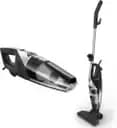
The 1000 W high-speed motor is engineered to convert electrical energy into 17000 Pa of static suction pressure through a specialized impeller assembly. This motor-to-airway ratio is optimized for a cordless vacuum cleaner, balancing the torque required to lift heavy debris with the airflow speed needed for fine road dust. While corded models often prioritize raw wattage, this device focuses on narrowing the air path to maximize suction velocity at the nozzle. This makes it exceptionally effective for cleaning tile gaps and hard surfaces common in Indian homes, though it faces a trade-off in air volume compared to massive industrial canisters. This targeted engineering ensures high performance for daily residential maintenance.
The filtration architecture utilizes a 1-stage HEPA system that is essential for maintaining indoor air quality in polluted urban environments. This washable filter is designed to trap microscopic particulates including pollen, dander, and PM2.5 dust that often accumulates on furniture. By using a single-stage high-efficiency particulate air design, the unit maintains a high rate of airflow without the pressure drop associated with overly complex multi-stage systems. For Indian users, the washable nature of the HEPA element is a significant engineering advantage, as it allows for the removal of oily kitchen soot or fine silt without requiring immediate and expensive filter replacements after every heavy cleaning cycle.
The power system is designed around a high-capacity battery configuration that supports the 1000 W motor’s significant draw. While the specific runtime is not listed, the engineering typically involves a CC-CV (Constant Current-Constant Voltage) charging protocol to ensure cell longevity and heat management during the recharge cycle. In the Indian context, where voltage fluctuations can occur, the charging internal circuitry must manage thermal dissipation effectively to prevent degradation. Users should anticipate a balance between high-power bursts for stubborn dirt and standard modes for lighter dusting. Managing these power states is key to optimizing the cleaning efficiency of this cordless vacuum cleaner across a standard 2BHK apartment layout.
The 1 L bagless dust capacity is achieved through a transparent polycarbonate bin that uses centrifugal force to separate large debris from the air stream. This design prevents the HEPA filter from clogging prematurely with larger items like hair or food crumbs. By eliminating the need for disposable bags, the engineering reduces the total cost of ownership while providing a clear visual indicator for when disposal is required. In Indian households where dust levels are high, this 1 L volume is sufficient for multiple rooms before needing a reset. The latch mechanism is reinforced to withstand frequent opening, ensuring that the seal remains airtight to preserve the 17000 Pa suction level.
The attachment suite, featuring a crevice tool and dusting brush, is engineered to leverage the high-velocity intake for specific household challenges. The crevice tool is designed with a tapered profile to increase air speed, making it ideal for extracting grime from AC vent fins or keyboard gaps during WFH sessions. Conversely, the dusting brush utilizes soft bristles to agitate dust on delicate sofa fabrics without damaging the material, allowing the suction to pull the particles into the main flow. This mechanical interaction between the tool and the surface is critical for overcoming the static cling of fine dust, ensuring that the 1000 W motor’s power is applied where it is most effective.
Constructed primarily from high-grade ABS plastic, the chassis weighs 2.1 kg, providing a durable yet manageable frame for extended handheld use. The ergonomic handle is positioned to align the center of gravity with the user’s wrist, reducing fatigue when reaching for high-mounted fans or curtain rods. The internal vibration dampening keeps the noise level at a manageable 70 dB, which is significantly quieter than many high-wattage corded competitors. This focus on structural integrity and user comfort ensures that the device can handle the rigors of daily cleaning in a busy Indian home. The Cleanjet concludes its design philosophy by proving that portable power does not require excessive bulk or weight.