The 160 W DC motor in this unit is engineered to produce a specific static pressure of 3500 Pa, a metric that defines its ability to lift debris against gravity. Unlike high-airflow low-pressure fans, this motor focuses on pull-force, which is critical for extracting fine road dust embedded in carpet fibers. The engineering trade-off for this pressure level at a 160 W rating is a balanced energy draw, allowing for a 30-minute runtime. This suction level is optimized for surface-level agitation and extraction rather than deep-pile industrial cleaning, making it technically suitable for daily maintenance in urban Indian environments where dust ingress is frequent through open windows.
The 3-stage HEPA filtration architecture is designed to manage high particulate loads common in Indian cities. The first stage uses a mesh separator for large debris, while the second stage targets medium particles. The final HEPA stage is rated to capture 99.97% of particles down to 0.3 microns, including PM2.5 pollutants. Because the filter is washable, the airflow resistance caused by dust accumulation can be mitigated without purchasing replacement cartridges. This structural design ensures that the exhaust air remains cleaner than the intake, which is essential for users with respiratory sensitivities or those living near high-traffic construction zones or busy roads in metropolitan areas.
Powering the 160 W motor is a battery system designed for a 30-minute discharge cycle, utilizing a CC-CV charging protocol via a Type-C interface. This modern charging standard allows the 5 kg unit to reach full capacity from zero in approximately 120 minutes. The internal battery management system monitors cell temperature to prevent overheating during the high-draw phases of operation. For the Indian user, this means the device can handle a full cleaning circuit of a sofa set and a car interior on a single charge. The efficiency of the DC motor ensures that suction remains relatively flat even as the battery voltage drops.
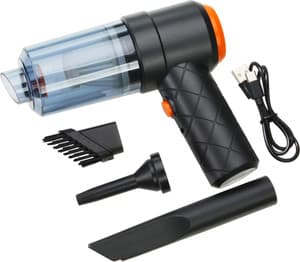
The 0.5 L bagless dust bin utilizes a cyclonic separation principle to keep debris away from the primary filter, maintaining performance for longer durations. This capacity is specifically calibrated for the debris volume found in a typical 2BHK apartment, such as hair, crumbs, and fine silt. The translucent design of the bin allows for visual monitoring of the fill level, which is critical since an overfilled bin can impede airflow and increase motor strain. The quick-release mechanism is engineered for hygienic disposal, minimizing the user's contact with allergens during the emptying process, a key requirement for maintaining a sterile home environment.
Technical utility is expanded through the inclusion of a flat nozzle and a dedicated pet hair tool. The pet hair tool uses mechanical agitation to lift stubborn fibers from fabric surfaces like sofas and mattresses before the suction takes over. The flat nozzle is engineered to increase air velocity at the tip, which is necessary for dislodging grime from narrow AC vents or WFH keyboard gaps. These attachments are constructed from high-impact polymers to withstand the vibrations of the 160 W motor. The storage bag ensures that the seal integrity of these nozzles is maintained by preventing structural deformations when the vacuum is not in active use.
The 5 kg chassis is constructed from reinforced ABS plastic, providing structural rigidity to house the 160 W motor and filtration assembly. This weight suggests a heavy-duty internal build quality, focusing on durability and motor cooling rather than ultra-lightweight portability. The ergonomic handle is positioned to balance the center of gravity, reducing wrist strain during extended 30-minute cleaning sessions. The 1-year domestic and international warranty reflects the manufacturer's confidence in the mechanical longevity of the DC motor and internal circuitry. For Indian consumers, the TVC H50 B provides a robust mechanical platform that justifies its weight through sustained performance and rugged build quality.