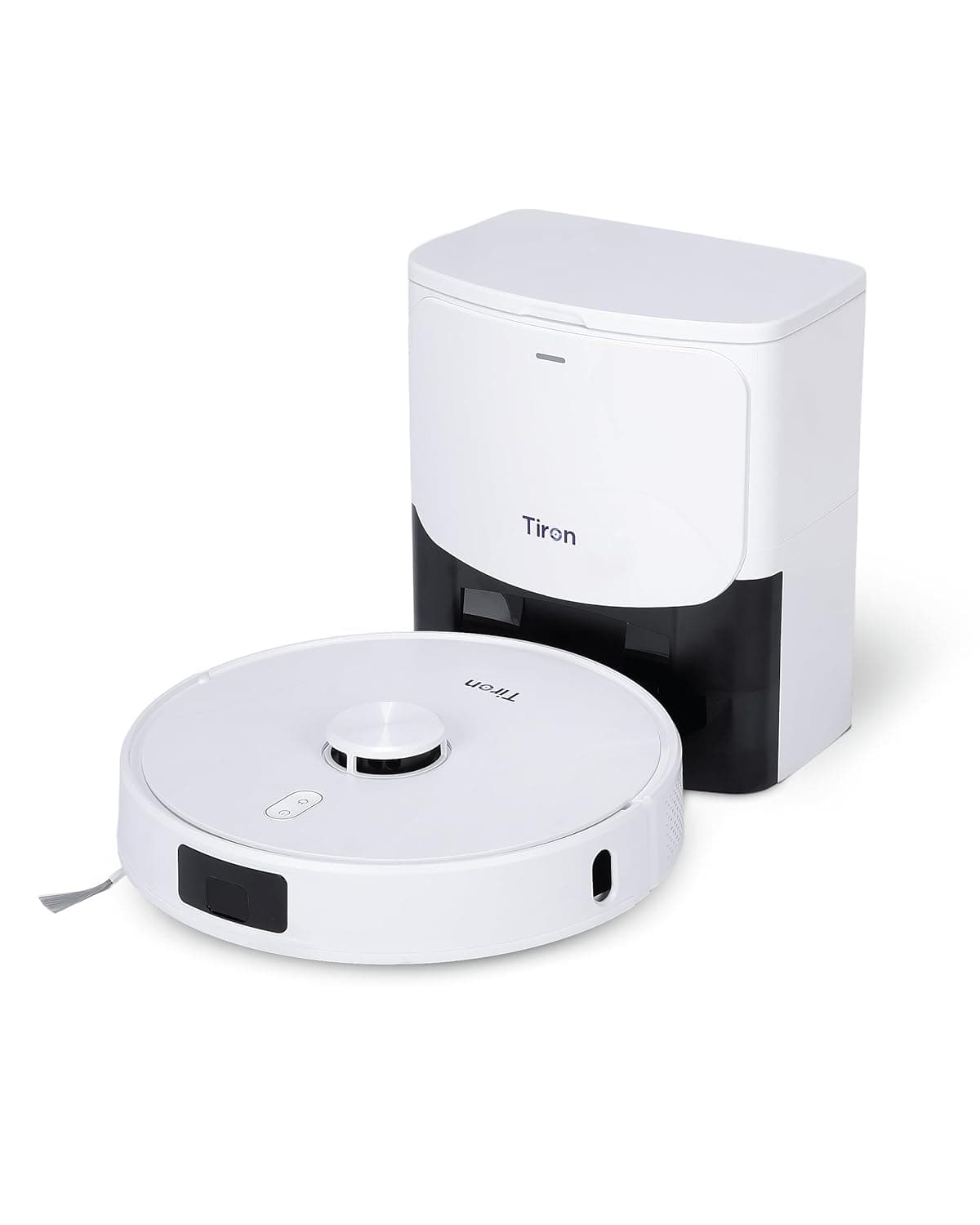
The suction pressure of 10000 Pa is generated via a 45 W brushless DC motor, which optimizes torque-to-power efficiency. In a cordless vacuum cleaner, achieving this vacuum level requires a tight seal at the floor head to maintain static pressure. The motor-to-airway ratio is tuned to prioritize high static pressure over raw cubic-feet-per-minute (CFM) airflow, making it highly effective for heavy particles like sand but less suited for thick, high-pile shag carpets. This engineering choice reflects a focus on Indian hard-floor environments where fine dust penetration is the primary cleaning challenge.
The filtration architecture employs a 3-stage HEPA system designed to manage high dust loads. The initial stage uses a cyclone separator to remove bulk debris, followed by a secondary mesh for smaller fibers, and finally a washable HEPA element for PM2.5 capture. This staggered approach prevents premature filter clogging, which is essential given the high particulate matter levels in urban India. The washable construction is a significant cost-saving feature, as it eliminates the need for frequent proprietary filter replacements, allowing users to restore airflow performance with simple tap-water maintenance.
Power management is handled by a high-density lithium-ion battery array providing a 140-minute runtime. The system utilizes CC-CV (Constant Current-Constant Voltage) charging protocols to manage the 3-5 hour replenishment cycle. This runtime-to-draw trade-off is achieved by the efficient 45 W motor draw, allowing for extended operation in standard modes. For Indian users, this ensures that even large floor plans can be cleaned on a single charge. The thermal management system monitors cell temperature during the high-drain 10000 Pa operation to prevent overheating and prolong the overall battery lifespan.
The wet and dry separation mechanism utilizes an internal baffle design to prevent liquid ingress into the brushless motor. With a wet capability, the unit can manage liquid spills or damp floor residues effectively. However, users must adhere to the 0.45L bin capacity limits for liquids to maintain the integrity of the 3-stage HEPA filter, which must remain dry during operation. This dual-use engineering provides a versatile solution for kitchen spills and bathroom entrance moisture, though it requires diligent post-use cleaning to prevent odor buildup within the internal collection chambers.
Instead of a blower, this unit incorporates LIDAR navigation sensors and an auto-dust collection station to automate the maintenance cycle. The LIDAR system maps the environment with sub-centimeter accuracy, which is critical for navigating the complex furniture layouts typical of Indian 1BHK and 2BHK flats. The auto-dust collector utilizes a high-powered internal vacuum within the dock to pull debris into a 3L bag. This technical mechanism ensures that the 7 kg system remains efficient by maintaining a clear airway in the main unit, effectively automating the dirt disposal process for the user.
The chassis is constructed from high-grade ABS plastic to balance structural integrity with the 7 kg weight of the fully integrated system. The ergonomic handle design allows for controlled movement despite the unit's weight, though it is primarily designed for floor-based or station-docked operation. The parking position is stable, allowing the unit to remain upright without external support. This build quality ensures the device withstands the rigors of daily use in varied climates. Ultimately, the mechanical synergy between the motor, LIDAR, and filtration defines the TRV 30S as a high-performance cleaning platform.