
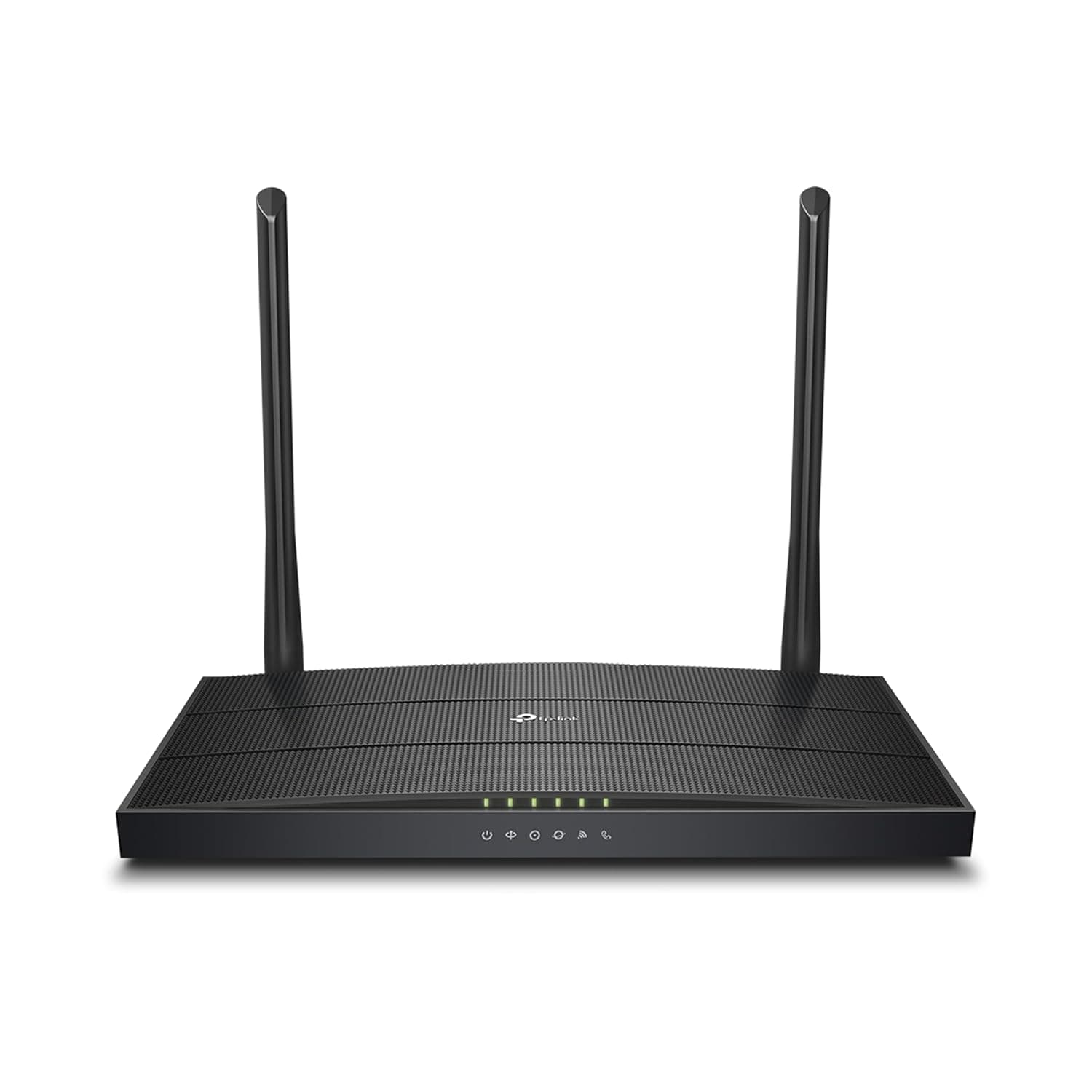
TP-Link XC220-G3v

Technical Deep Dive: TP-Link XC220-G3v Dual-Band AC1200 XPON Fiber Gateway

The TP-Link XC220-G3v represents a pinnacle of optical network terminal engineering, designed to bridge the gap between high-speed fiber backbones and demanding local area networks. By integrating both GPON and EPON compatibility within a single XPON framework, this hardware ensures versatile deployment across diverse optical distribution networks. Its 802.11ac dual-band wireless capabilities, combined with robust gigabit Ethernet switching, facilitate a seamless data flow that minimizes electromagnetic interference while maximizing signal-to-noise ratios for critical residential and enterprise applications.

Quick Answer

The TP-Link XC220-G3v excels in high-speed fiber environments due to its versatile XPON hardware interface which supports both GPON and EPON protocols. Its integration of MU-MIMO technology and beamforming ensures consistent throughput and reduced signal attenuation for multi-device households.

Multi-user MIMO and beamforming technology optimize spatial multiplexing to ensure consistent signal strength and high-speed data transmission across 802.11ac bands.
Advanced WPA3 encryption and integrated SPI firewalls provide a hardened security perimeter against unauthorized packet inspection and localized network intrusions.
Full Gigabit Ethernet switching fabric enables wire-speed internal data transfers, eliminating bottlenecks during high-bandwidth tasks like 4K streaming or large-scale file synchronization.

The TP-Link XC220-G3v is engineered for households and small enterprises requiring a reliable fiber termination point that supports high-bandwidth wireless standards and diverse networking protocols.

✓ Who Should Buy

  • Professional remote workers requiring stable fiber-to-the-home connectivity with dedicated VLAN tagging for secure corporate network isolation.
  • Households with high-density device usage that benefit from MU-MIMO and beamforming to manage simultaneous high-definition media streams.
  • Network administrators seeking a versatile XPON solution that offers remote management via TR-069 and dual-stack IPv6 support.

✕ Who Should Avoid

  • Users limited to legacy copper-based ADSL or VDSL infrastructures where no fiber optic termination is available.
  • Enthusiasts requiring the latest WiFi 6 or WiFi 6E standards for bleeding-edge wireless throughput in highly congested urban environments.
Product Overview
As a high-performance XPON VoIP terminal, the TP-Link XC220-G3v is built to handle the complexities of modern fiber-to-the-home deployments. It integrates a sophisticated optical transceiver capable of handling high-speed data streams while maintaining exceptional sensitivity to minimize packet loss. The 802.11ac wireless standard allows for simultaneous dual-band operation, providing 300Mbps on the 2.4GHz frequency for range and 867Mbps on the 5GHz frequency for throughput-intensive tasks. This device also features advanced TR-069 management protocols, allowing internet service providers to remotely monitor signal quality and perform firmware updates without disrupting the end-user's connectivity. With its four Gigabit Ethernet ports, it serves as a robust switching hub for wired peripherals, ensuring that the bottleneck remains at the ISP level rather than the local hardware.

BrandTP-Link
ModelXC220-G3v
TypeXPON Fiber Modem Router
Standards SupportedXPON (GPON/EPON), IEEE 802.11b/g/n/ac

Related Products

Engineering Analysis
The TP-Link XC220-G3v architecture is centered around a highly efficient XPON chipset that manages optical-to-electrical signal conversion with minimal thermal overhead. This chipset excels in packet encapsulation, ensuring that data packets moving from the fiber medium to the local Ethernet or wireless interfaces undergo rapid processing with negligible jitter. The device utilizes a sophisticated signal-to-noise ratio management system that dynamically adjusts to fluctuating optical power levels, maintaining a stable link even when the fiber line experiences slight physical stress or bending. Furthermore, the 802.11ac wireless sub-system incorporates advanced beamforming techniques that focus the electromagnetic energy directly toward client devices, rather than broadcasting in a uniform omnidirectional pattern. This focused approach significantly reduces the impact of co-channel interference from neighboring networks. On the layer 3 level, the router handles asymmetric throughput demands with grace, employing intelligent queue management to prioritize time-sensitive packets like Voice over IP and gaming data. The inclusion of VLAN tagging (802.1Q) allows for logical network segmentation, which is crucial for maintaining security and quality of service in multi-tenant or hybrid work environments. By supporting dual-stack IPv4 and IPv6, the XC220-G3v future-proofs the local network infrastructure against the depletion of legacy IP addresses while ensuring low-latency routing for modern web protocols. The hardware design also accounts for electromagnetic interference shielding, protecting the sensitive internal components from external radio frequency noise that could otherwise degrade the integrity of the high-speed gigabit switching fabric.

Technical Support & FAQs