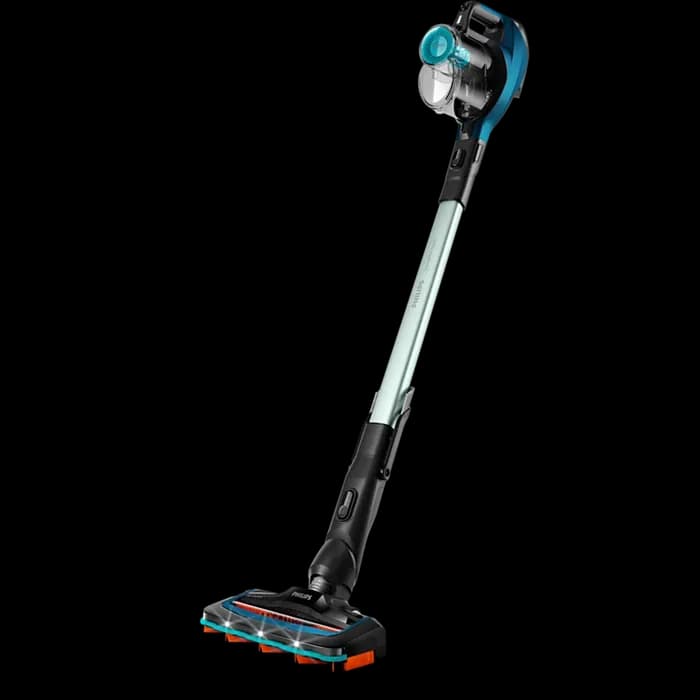
The suction pressure engineering of this unit utilizes a 15 W high-speed motor designed to optimize static pressure within a compact internal airway. While 2000 Pa is modest compared to corded extractors, the motor-to-airway ratio is tuned specifically to lift particulate matter such as sand and hair from hard surfaces like marble or vitrified tiles. The system prioritizes sustained airflow over peak burst pressure, making it ideal for continuous maintenance tasks rather than heavy-duty industrial spills. This engineering choice ensures that the motor does not overheat during the extended 120-minute runtime required for thorough apartment cleaning.
The filtration architecture features a 1-stage HEPA system that serves as both the primary and secondary barrier against airborne pollutants. This washable filter is designed to capture particles as small as 0.3 microns, including common Indian allergens like construction dust and fungal spores. By using a single-stage approach, the device reduces the physical resistance to airflow, which maximizes the efficiency of the 15 W motor. For Indian users, the washable construction is a significant advantage, as it allows for the removal of greasy kitchen soot that often clogs permanent filters in urban environments.
The power system is built around a 2200mAh lithium-ion battery pack, likely configured in a series-parallel arrangement to maintain stable voltage throughout the discharge cycle. The CC-CV charging protocol ensures that the battery reaches a full state within 3 to 5 hours while protecting the cells from thermal degradation. Engineering the battery for a 120-minute runtime requires a specific balance where the motor draw is regulated to prevent rapid depletion. This ensures that users can clean multiple rooms without the voltage drop typically seen in cheaper nickel-metal hydride alternatives found in older budget models.
The dust management system utilizes a 0.4 L bagless bin designed with a simple baffle mechanism to separate heavier debris from fine dust. This centrifugal separation prevents the HEPA filter from being immediately bombarded by larger items like food crumbs or pet kibble, extending the time between filter cleanings. Although the capacity is compact, the latching mechanism is engineered for quick release, minimizing the user's exposure to dust during disposal. This design is particularly effective for managing the daily 'jhadu' replacement in Indian homes where dry dust accumulation is a constant challenge.
Incorporating a dedicated pet hair tool demonstrates a focus on mechanical agitation rather than pure suction force. The tool's geometry is designed to lift stubborn fibers from upholstery, allowing the 2000 Pa suction to whisk them into the bin. This is a critical technical addition for homes with Labradors or Golden Retrievers, where hair often weaves into sofa fabrics. By offloading the work to a specialized tool, the 15 W motor can maintain its efficiency without needing to operate at higher, battery-draining power levels, effectively doubling the practical cleaning utility of the device.
The chassis is constructed from high-grade ABS plastic, providing a balance between structural rigidity and a manageable 3.5 kg weight. The internal component layout is optimized for a low center of gravity, which improves maneuverability around furniture legs and under Indian-style low-clearance beds. The parking position and ergonomic handle design reduce wrist strain during manual transition periods. This mechanical robustness, paired with the app-controlled navigation features, ensures the D1 Robot Floor Cleaner ,2000Pa High Suction, 120 Min Runtime, 2200mAh Battery remains a durable and technically sound investment for modern domestic maintenance.