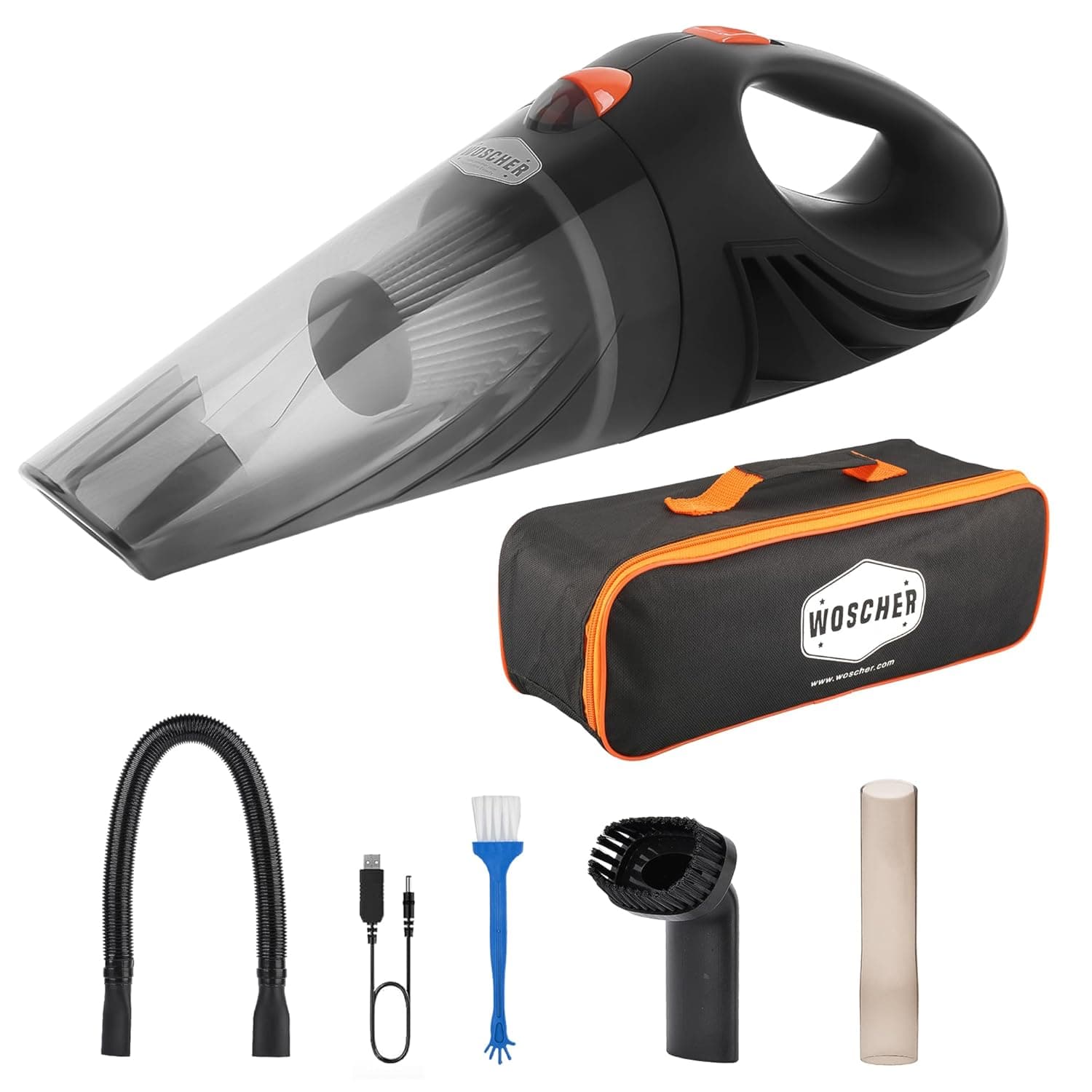
The suction pressure of 6000 Pa is engineered via a 100 W high-speed motor that optimizes the motor-to-airway ratio for maximum static pressure. In a handheld chassis, achieving this level of lift requires a tight seal within the cyclonic chamber to prevent pressure drops. This specification is ideal for surface-level debris like fine dust and pet hair on hard floors or upholstery, though it prioritizes airflow velocity over the deep carpet extraction found in heavy-duty corded models. It effectively bridges the gap between low-powered car vacuums and bulkier domestic units for daily spot cleaning.
The filtration architecture employs a 2-stage HEPA system designed to capture particulates as small as 0.3 microns. The first stage uses a mesh barrier to stop larger debris, while the secondary HEPA element traps fine dust and dander. For Indian users, the washable construction of these filters is a significant engineering advantage, as it prevents the pore-clogging typically caused by high ambient dust levels. Regular washing maintains the pressure differential across the filter, ensuring the motor does not overheat during extended 18-minute runs while maintaining consistent suction performance throughout its lifecycle.
The power system relies on a 7.4V lithium-ion cell configuration managed by a CC-CV charging protocol. This ensures the 100 W motor receives consistent voltage until the battery is nearly depleted, preventing the suction fade common in nickel-cadmium alternatives. A 3-hour charging window is optimized for the battery's longevity, balancing thermal management with user convenience. For practical Indian use, this runtime is sufficient for cleaning a standard sedan interior or a large L-shaped sofa set. The electrical efficiency ensures that the compact motor maintains high RPM without excessive vibration or mechanical wear.
Wet and dry separation is managed through a specialized internal baffle design that protects the motor from liquid ingress. The 1 L bagged capacity is generous for a handheld unit, though when used for wet spills, the internal volume is typically restricted to prevent overflow. This engineering choice allows the device to handle kitchen spills on tile floors or damp mud brought in during the monsoon season. Maintenance involves ensuring the bag and internal seals are dried completely after wet use to prevent mold growth, which is critical for maintaining hygiene in tropical climates.
The attachment ecosystem including the crevice nozzle and hose is designed to maintain the 6000 Pa velocity even at extension. By narrowing the aperture, the engineering team has ensured that the tool can pull grime from tight AC vents and keyboard switches where standard brushes fail. The accessories adaptor provides a secure friction fit, preventing air leaks that would otherwise compromise the 100 W motor's output. This focus on sealed-path integrity allows the unit to perform consistently across diverse Indian household surfaces from wood flooring to rough cement.
Constructed from high-grade ABS, the 0.75 kg chassis is balanced to reduce wrist strain during overhead cleaning of curtain rods or fans. The ergonomic handle design incorporates the center of gravity near the palm, making the unit feel lighter than its actual mass. This structural integrity ensures the i7 Pro can withstand the minor impacts associated with car cleaning or being moved between rooms in a busy household. The final assembly represents a focused approach to handheld portability, combining a high-capacity dust bin with a streamlined airflow path for efficient, daily debris management.