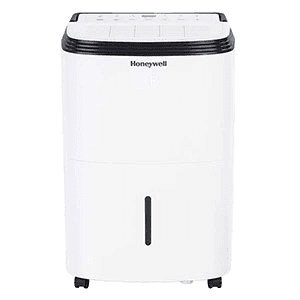
The refrigeration cycle of the TP30WKN is engineered to maximize latent heat removal from high-temperature air streams. Utilizing a rotary compressor, the unit creates a temperature differential across the evaporator coils that causes airborne water vapor to condense into liquid at a rate of 23 pints/day (~10.9 L/day). In the Indian context, where ambient temperatures often range between 30°C and 40°C, the compressor must manage significantly higher thermal energy compared to temperate climate operations. This rotary design is specifically chosen for its mechanical efficiency and ability to maintain consistent compression cycles under the load of tropical humidity. Efficient moisture extraction in these conditions prevents the air from reaching its dew point indoors, effectively halting the condensation cycle on cool surfaces.
Choosing R-410A as the working fluid is a critical engineering decision for the TP30WKN, as this HFC refrigerant offers superior heat transfer properties and operates at higher pressures than older R-22 systems. In the high ambient temperature environments typical of Indian summers, R-410A maintains its volumetric cooling capacity more effectively, ensuring the dehumidification rate does not plummet as the room warms up. The refrigerant’s higher density allows for smaller, more efficient tubing in the heat exchangers, which contributes to the unit's compact 13.56 kg footprint without sacrificing performance. This thermal stability is essential for maintaining the 116 CFM air flow efficiency, ensuring that the energy consumed by the 298-watt motor is converted primarily into moisture removal rather than wasted heat.
Precision control in the TP30WKN is handled by a sophisticated digital humidistat that monitors relative humidity within a broad 30% to 90% range. This versatility is vital for Indian applications; for instance, residential comfort in a Kolkata apartment might require 55% RH, while a dedicated server room or library might need a stricter 45% threshold to prevent hardware oxidation. The sensor logic incorporates a specific latency period to prevent short-cycling the compressor, which extends the lifespan of the motor during the fluctuating humidity levels of the post-monsoon transition. By providing a real-time digital readout, the system allows users to observe the immediate impact of the dehumidification cycle, ensuring the indoor environment remains within the safety parameters required for both human health and asset preservation.
Thermal management is further refined through an automatic defrost mechanism in the TP30WKN, a feature that becomes indispensable during winter months in Indian hill stations like Shimla or Munnar. When ambient temperatures drop toward the lower operating limit of 41°F, frost can accumulate on the evaporator coils, insulating them and reducing heat exchange efficiency. The unit detects this ice buildup and momentarily suspends the compressor while keeping the fan running to melt the frost. This engineering safeguard ensures the unit can operate safely in air-conditioned bedrooms where the localized temperature near the unit might drop significantly. Without this feature, the cooling coils would eventually freeze solid, potentially damaging the rotary compressor and rendering the device inoperable during critical high-moisture events in cooler climates.
The drainage system of this 23-pint unit is designed for both manual and autonomous operation, featuring a 7-pint internal reservoir equipped with an auto shut-off float switch. In extreme humidity conditions, such as 80% RH in a Kochi backwater residence, the tank may reach capacity within hours, making the continuous drain port a necessary feature for unattended use. The 2-speed fan circuit provides 116 CFM of air movement, balancing the need for rapid air turnover against the acoustic constraints of a residential setting. Engineering the fan to work in tandem with the rotary compressor ensures that the air passing over the coils is optimized for maximum condensation. This air circuit design minimizes the bypass factor, ensuring a higher percentage of processed air reaches the desired humidity setpoint.
The physical architecture of the rotary compressor model is built for durability, weighing 13.56 kg and supported by heavy-duty caster wheels for portability across different floor surfaces. Maintenance is centered on the washable dust filter, which protects the internal coils from the high particulate matter often found in Indian urban environments. Keeping this filter clean is the primary factor in maintaining the unit’s 298-watt efficiency over its operational lifespan. The five-year limited warranty reflects the manufacturer's confidence in the mechanical integrity of the rotary system under tropical stress. Ultimately, the combination of a high-pressure refrigerant system and robust thermal safeguards makes it the definitive engineering solution for the TP30WKN.