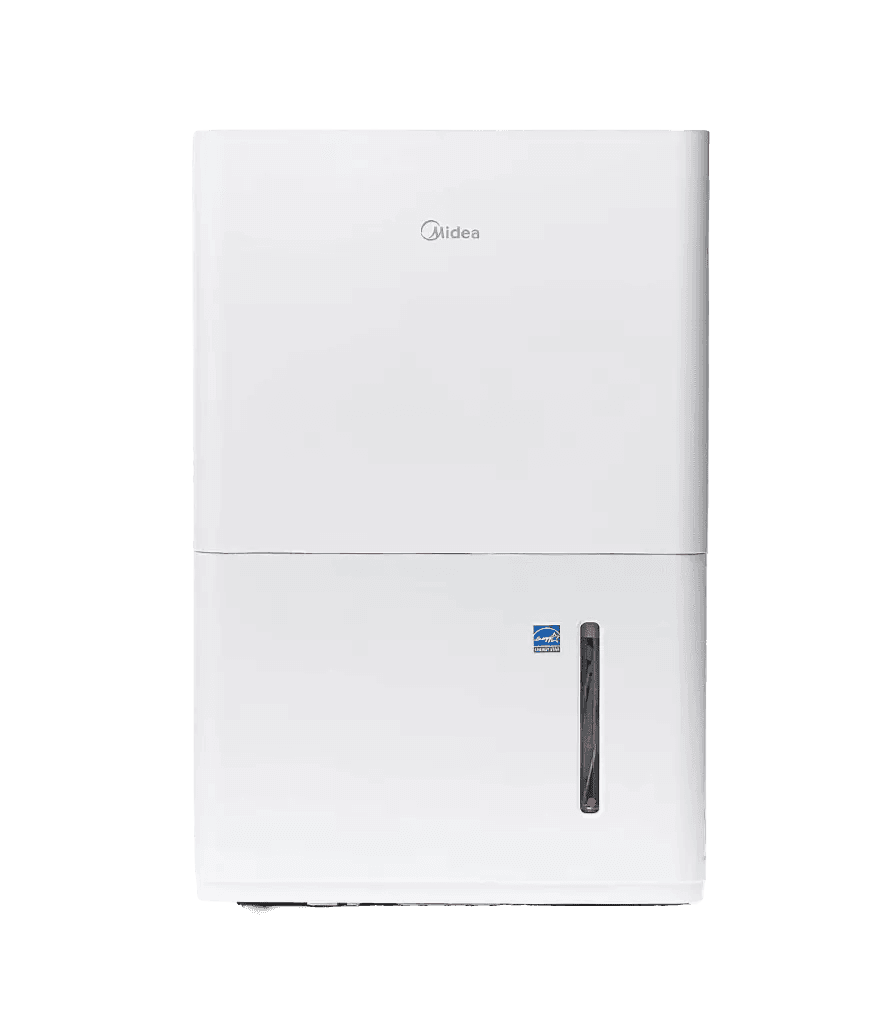
The thermodynamics of the MAD22S1WWT rely on a refrigeration cycle where the rotary compressor circulates R-410A to cool the evaporator coils. As ambient air from a humid Kochi apartment is pulled across these coils, moisture condenses at a rate of 22 pints/day (~10.4 L/day). In the high-temperature environments of India, where indoor temperatures often exceed 30 degrees Celsius, compressor efficiency is paramount. Unlike standard reciprocating compressors, the rotary design in this unit provides more consistent torque and reduced vibration, which is critical for maintaining the phase change efficiency required to strip water vapor from the air. This engineering choice ensures the unit does not overheat while struggling against the extreme latent heat loads characteristic of the Indian sub-continental climate.
The choice of R-410A refrigerant in this system is strategically aligned with modern environmental standards and high-pressure operational requirements. R-410A possesses a higher heat-carrying capacity compared to older refrigerants, allowing for a more compact heat exchanger design while maintaining robust moisture extraction in Chennai's sweltering 35-degree heat. Because R-410A operates at higher pressures, the internal copper tubing and joints are engineered with higher burst tolerances, ensuring longevity against the corrosive salty air of coastal Goa. This refrigerant's thermodynamic properties allow the unit to achieve the necessary dew point quickly, ensuring that condensation occurs efficiently on the evaporator fins even when the delta between the room temperature and the coil surface temperature is relatively narrow.
Precision in moisture control is achieved via an integrated digital humidistat within the MAD22S1WWT, which monitors ambient relative humidity with high sensitivity. The device offers a wide operating range from 35% to 85%, accommodating diverse Indian requirements from strictly controlled server rooms in Bangalore requiring 45% RH to general residential comfort in Kolkata aiming for 55% RH. There is a programmed latency between the sensor detecting a rise in humidity and the compressor activation to prevent short-cycling, which would otherwise degrade the rotary motor. By accurately cycling the compressor based on these precise readings, the unit optimizes energy consumption while ensuring the indoor environment never crosses the threshold where hygroscopic materials like wood or paper begin to absorb moisture from the air.
Thermal management is further refined through an automatic defrost mechanism, a critical feature for users in cooler high-altitude regions like Munnar or during night-time operation in air-conditioned rooms. When the evaporator temperature drops below 41°F, frost can accumulate, restricting airflow and reducing dehumidification efficiency. The system detects this frost buildup and temporarily halts the compressor while running the fan to melt the ice using ambient air. This prevents the unit from freezing over and ensures continuous operation without manual intervention. For Indian users, this ensures the device remains functional across varying micro-climates, shifting from heavy dehumidification in the humid afternoon to safe defrost cycles during the cooler, damp early morning hours typical of the monsoon season.
The MAD22S1WWT utilizes a side-access bucket with splash guard, designed to hold several liters before requiring manual emptying. At a peak extraction rate during a heavy Mumbai downpour, the bucket fills significantly faster than in drier seasons, necessitating either frequent monitoring or the use of the continuous drain port. The internal air circuit is powered by a 2-speed fan that balances the volume of air processed against noise levels. Higher fan speeds maximize the volume of air passing over the cold coils, increasing the moisture removal rate per hour, while the lower speed is optimized for maintaining humidity levels once the initial target is reached. This dual-speed configuration allows for flexible deployment in both active living spaces and quiet bedroom environments.
Structural durability is evident in the 15.08 kg chassis, which is supported by heavy-duty caster wheels and handles for mobility across different floor surfaces. Maintenance is centered on the mesh filter, which protects the internal coils from dust and pollutants common in Indian urban environments. Regular cleaning of this filter is essential to maintain the static pressure across the fan and ensure the heat exchange process remains unhindered. Unlike units with complex proprietary filtration, the mesh system is designed for longevity and ease of user service, keeping long-term operational costs low. By focusing on mechanical reliability and user-accessible maintenance, this model provides a sustainable solution for domestic moisture control, establishing the MAD22S1WWT as the definitive conclusion.