

Related Products
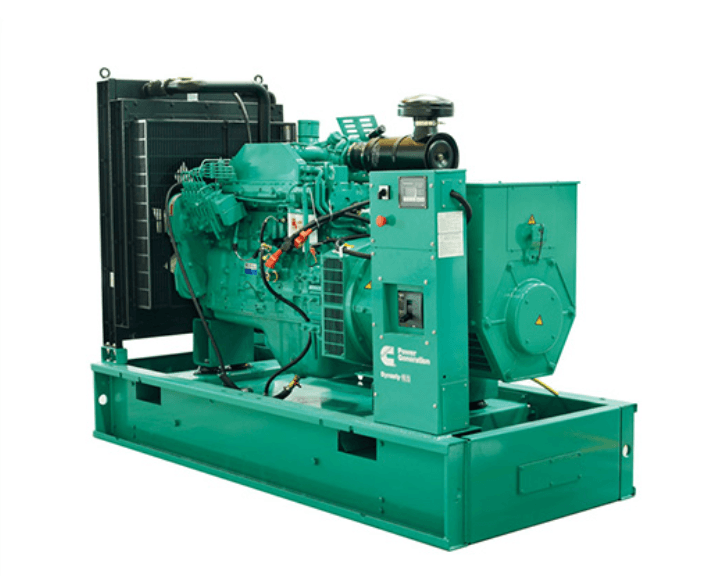
Cummins 200 kVA Silent Diesel Generator
The Cummins C200D5 200 kVA diesel generator is the gold standard for industrial power backup in India. Operating at 415V across three phases, this generator provides a rated output of 200 kVA and a max standby power of 220 kVA, which translates to approximately 160 kW and 176 kW respectively at a 0.8 power factor. Engineered at Cummins' Pune facility, it features the turbocharged 6CTAA8.3-G7 6-cylinder engine, renowned for its 1500 RPM stability and water-cooled efficiency during peak Indian summers. For commercial facilities dealing with DISCOM outages or scheduled cuts in Tier-2 cities, the C200D5 offers a robust 250L fuel tank, delivering 9.4 hours of continuous backup at full load with a consumption rate of 26.5 L/hr. Safety is paramount, featuring CPCB-II noise compliance (75 dB at 1 meter), earth leakage protection, and an emergency stop. The digital control panel provides real-time monitoring of current, voltage, and engine health, making it an essential investment for manufacturing units, large-scale real estate projects, and data centers where downtime translates to significant financial loss. This silent canopy model ensures that industrial-grade power does not disrupt the surrounding environment, making it suitable for institutional zones and large residential societies alike.
Quick Answer
Yes, investing in a Cummins C200D5 is highly worth it for Indian businesses where power quality is inconsistent. Unlike cheaper local brands, Cummins offers a Pan-India service network and high resale value. Given that Indian DISCOMs often have infrastructure gaps during summer peaks, the reliability of a CPCB-II compliant, auto-start Cummins generator provides a critical competitive advantage by ensuring 100% uptime.
For the Indian market, the silent canopy (closed frame) is virtually mandatory due to CPCB-II regulations and RWA restrictions in urban areas. While open-frame models are cheaper and may be used in isolated mining or construction sites, the silent version provides superior protection against the harsh Indian climate, including dust, monsoon rains, and extreme heat, while ensuring noise levels remain within legal limits.
✓ Who Should Buy
- •In India, the primary buyers of the Cummins 200 kVA DG set are owners of medium-scale manufacturing units, private hospitals, large hotels, and luxury high-rise apartment complexes. It is also a staple for data centers and large retail malls that require high-amperage 415V power to maintain operations during long-duration DISCOM load shedding.
✕ Who Should Avoid
- •Spaces or usage requirements exceeding residential rated capacity.
- •Installations prioritizing minimum capital expenditure over high-efficiency performance.
- •Unstable grid conditions exceeding the functional threshold of Standard power cycle.
- •Environments incompatible with generators physical and thermal dissipation specs.