

Related Products
Cummins 625 kVA Silent Diesel Generator
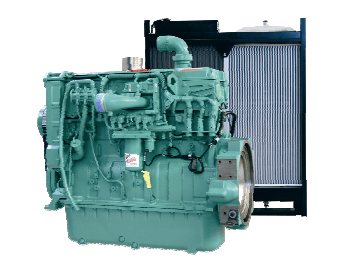
The Cummins QSX15-G7 is a high-performance 625 kVA diesel generator (500 kW) engineered for the Indian industrial and commercial landscape. In India, generators are primarily understood by their kVA rating; at a 0.8 power factor, this unit provides 625 kVA of continuous power and up to 687.5 kVA at maximum load. This model is essential for sectors plagued by Tier-2 city power cuts and summer peak demand failures. Built with a 6-cylinder, 15L turbocharged water-cooled engine, it delivers high fuel efficiency with a consumption rate of 85 L/hr at 100% load. The unit is strictly CPCB-II compliant, meeting the Central Pollution Control Board’s emission and noise standards (≤75 dB at 1m). It features a three-phase 415V output, making it ideal for running heavy three-phase motors, industrial lifts, and HVAC systems. Safety is prioritized with features like low oil shutdown, earth leakage protection, and an emergency stop. The Cummins brand trust, backed by their extensive Pune-based manufacturing and service network, makes this a preferred choice over older non-compliant models. For facility managers, the inclusion of cloud-based remote monitoring and an Auto Transfer Switch (ATS) ensures a seamless transition from grid to backup, bridging the critical UPS handover gap during DISCOM outages.
Quick Answer
Absolutely. Given the high cost of production downtime in India, the investment in a 625 kVA Cummins unit pays for itself by preventing loss of work hours during load shedding. Compared to inverter-battery systems which cannot handle heavy motors, or solar systems which are weather-dependent, this diesel DG set provides guaranteed, immediate power for critical 24/7 operations.
In the Indian context, the silent canopy (75 dB) is the gold standard. While open-frame models are cheaper, they are restricted to remote mining or specialized industrial zones. The silent enclosure not only ensures CPCB-II compliance but also protects the high-value 15L engine from dust, rain, and extreme Indian summers, significantly extending the machine's life.
✓ Who Should Buy
- •This generator is primarily purchased by industrial plant owners, large hospitals, high-rise residential complexes, and data centers in India. It caters to buyers who manage loads exceeding 400 kW and require a robust, reliable power source to counter frequent grid instability from DISCOMs like BESCOM or TNEB.
✕ Who Should Avoid
- •Spaces or usage requirements exceeding residential rated capacity.
- •Installations prioritizing minimum capital expenditure over high-efficiency performance.
- •Unstable grid conditions exceeding the functional threshold of Standard power cycle.
- •Environments incompatible with generators physical and thermal dissipation specs.