
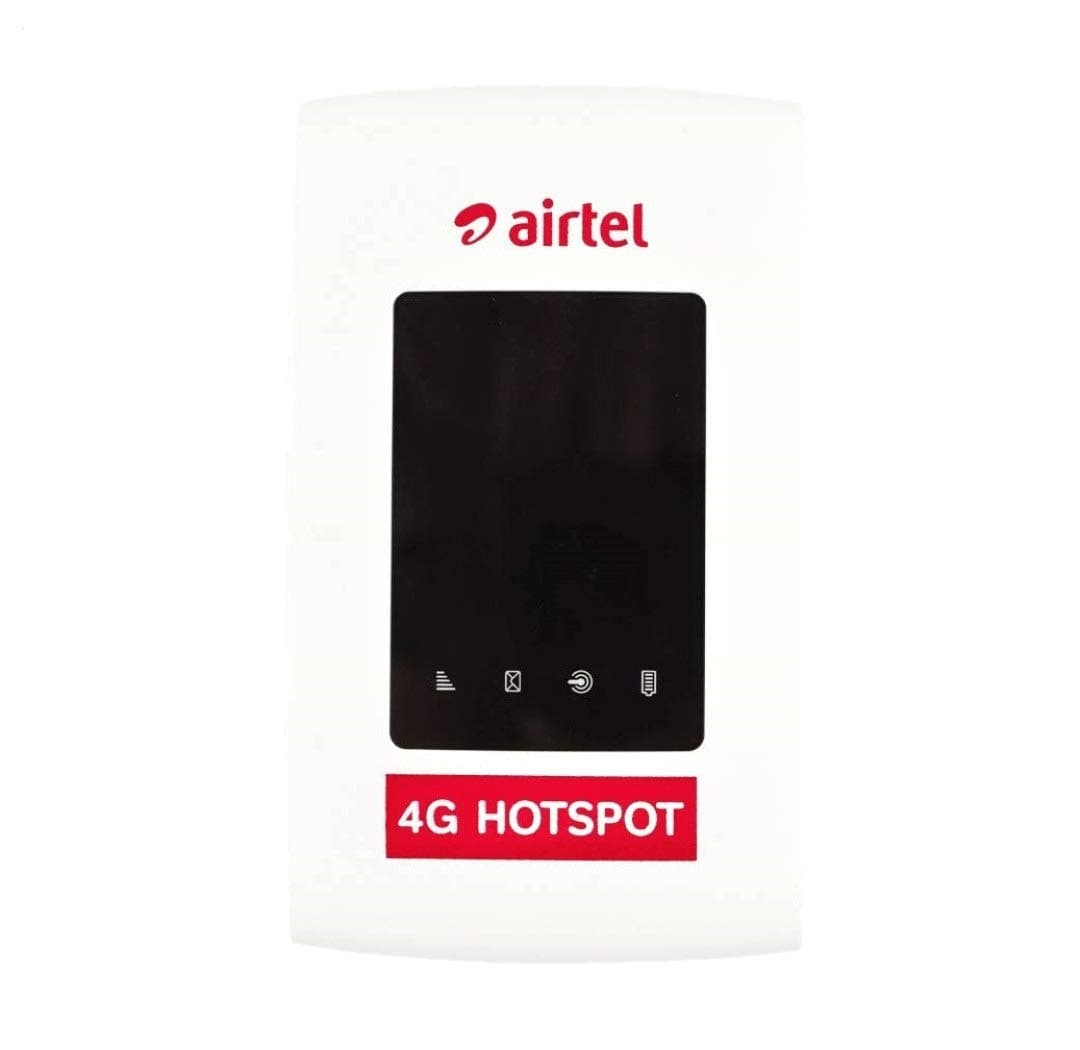
ZTE MF920V

Engineering Deep Dive: ZTE MF920V High-Efficiency LTE Category 4 Mobile Gateway

The ZTE MF920V represents a sophisticated evolution in portable telecommunications, integrating a high-performance LTE Category 4 chipset to facilitate seamless mobile broadband access. Designed for environments where terrestrial fiber is unavailable, this device optimizes signal-to-noise ratio through advanced internal antenna arrays, ensuring consistent packet encapsulation and low-jitter data transmission over cellular backhaul. Its architecture is purpose-built to maintain high-speed connectivity while mitigating the effects of electromagnetic interference.

Quick Answer

The ZTE MF920V is a premier 4G LTE hotspot utilizing Category 4 technology to deliver 150 Mbps downlink speeds, making it exceptionally reliable for high-bandwidth mobile applications. Its integrated firewall and support for multiple concurrent connections ensure secure, enterprise-grade connectivity without the need for fixed-line infrastructure.

Optimized LTE Category 4 chipset achieving 150 Mbps asymmetric throughput and efficient spectral utilization across multiple 4G bands.
Integrated WPA2-PSK security protocols combined with a hardware-level firewall to mitigate unauthorized packet intrusion and ensure data integrity.
Multi-client management capability supporting up to 10 simultaneous connections with intelligent bandwidth allocation and signal attenuation mitigation.

The ZTE MF920V is engineered for mobile professionals and remote workers who require high-bandwidth connectivity in a portable form factor without the constraints of physical fiber termination or complex VLAN tagging associated with fixed-line deployments.

✓ Who Should Buy

  • Remote field engineers requiring a secure, portable LTE gateway for real-time telemetry and cloud synchronization.
  • Digital nomads who necessitate consistent 150 Mbps asymmetric throughput for video conferencing and large file transfers in transient locations.
  • Emergency response teams needing rapid deployment of a local area network via cellular backhaul in areas lacking fixed-line infrastructure.

✕ Who Should Avoid

  • Power users requiring 5 GHz or Wi-Fi 6 standards for ultra-high-speed local file transfers between multiple NAS units.
  • Static enterprise environments with access to dedicated fiber optics that require physical Ethernet ports for hardware redundancy and wired LAN stability.
Product Overview
The ZTE MF920V functions as a high-velocity bridge between cellular infrastructure and local client devices. By leveraging the 802.11 b/g/n Wi-Fi standard, it translates LTE signals into a robust local area network. The architecture focuses on minimizing electromagnetic interference while maximizing throughput for bandwidth-intensive tasks such as high-definition streaming and VPN tunneling. Its streamlined form factor belies a complex internal ecosystem capable of managing packet processing with high efficiency, ensuring that mobile professionals and remote teams maintain a stable uplink even in areas with fluctuating signal strength. The device operates without the need for physical fiber or Ethernet ports, relying instead on its advanced radio frequency modules to bridge the digital divide in mobile scenarios.

BrandZTE
ModelMF920V
Type4G LTE Mobile Wi-Fi Hotspot
Standards SupportedGSM, UMTS, LTE

Related Products

Engineering Analysis
At the core of the ZTE MF920V lies a dedicated baseband processor capable of handling LTE Category 4 requirements, specifically 150 Mbps downlink and 50 Mbps uplink. The device utilizes advanced signal processing algorithms to maintain a high signal-to-noise ratio, effectively managing the complexities of signal attenuation in dense urban or remote environments. Unlike fixed-line ONT systems, this mobile gateway prioritizes dynamic frequency selection within the 2.4 GHz spectrum to avoid local electromagnetic interference, ensuring that the 802.11 b/g/n transmission remains stable. The packet processing pipeline is optimized for low latency, reducing round-trip times during handshake protocols and data encapsulation. Furthermore, the firmware implementation supports robust NAT traversal and intelligent DHCP management, allowing for seamless integration of up to 10 client devices. The thermal design of the chassis ensures that the internal chipset operates within optimal parameters even during prolonged sessions of high-bandwidth data transfer, preventing thermal throttling that often plagues lesser mobile hotspots. This focus on engineering resilience makes the MF920V a reliable node for critical mobile networking, providing consistent asymmetric throughput where traditional infrastructure fails to reach.

Technical Support & FAQs