
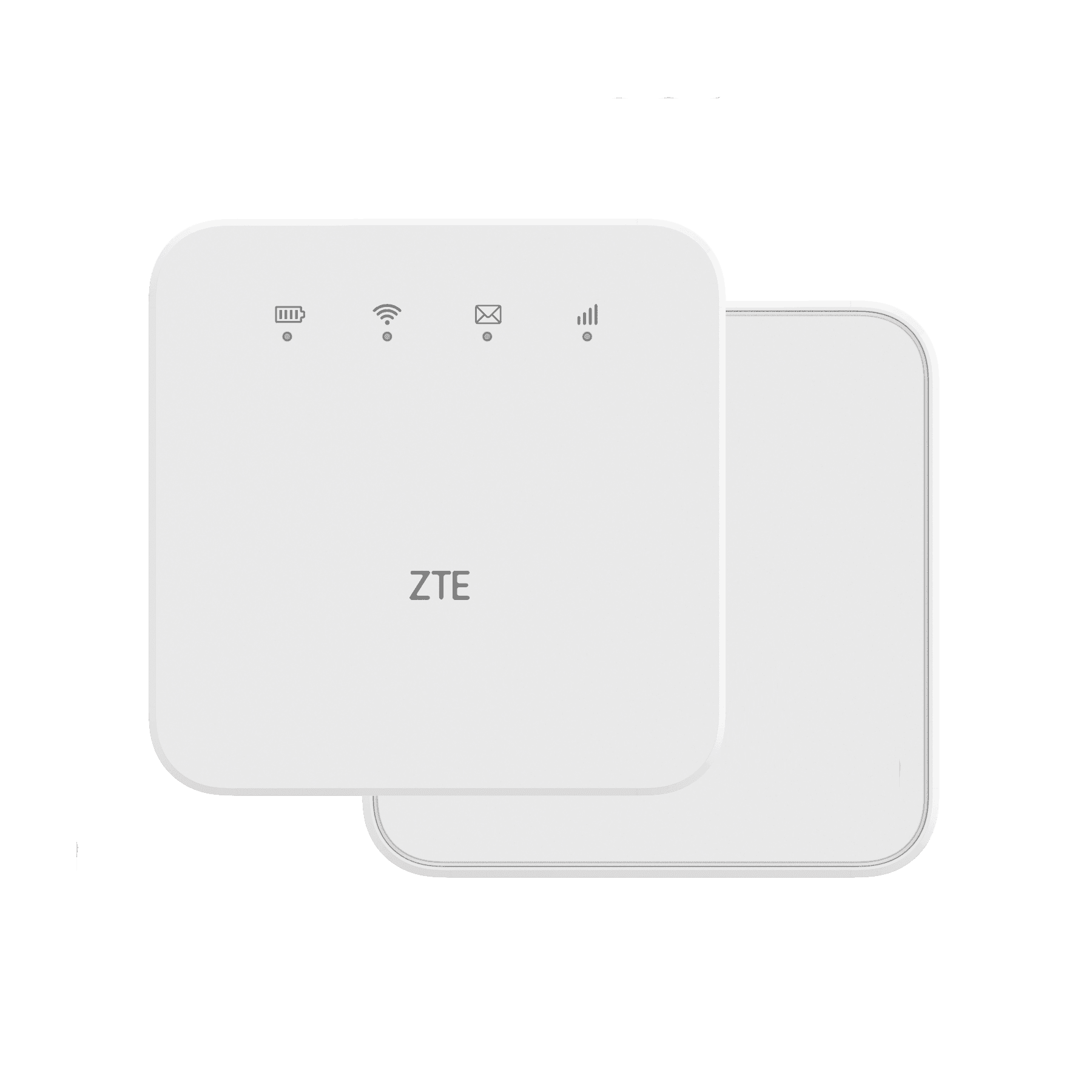
ZTE MF927U

Protocol Analysis: ZTE MF927U High-Performance Mobile Broadband Infrastructure

The ZTE MF927U represents a sophisticated evolution in portable networking, leveraging Category 4 LTE architecture to provide consistent asymmetric throughput in diverse RF environments. By integrating a refined 802.11 b/g/n wireless subsystem, this device ensures seamless packet encapsulation and minimal latency for up to 10 concurrent clients, making it a critical asset for remote operations and mobile professional environments.

Quick Answer

The ZTE MF927U achieves exceptional reliability through optimized radio frequency management and a dedicated LTE chipset that maintains high-speed cellular synchronization. It serves as a robust gateway for 4G environments where fixed-line fiber is unavailable, ensuring high availability and low-jitter data transmission.

Advanced signal-to-noise ratio optimization ensures 150 Mbps peak downlink via LTE Category 4 protocols.
Integrated SPI firewall and WPA2 encryption layers provide comprehensive network security against unauthorized packet interception.
Smart power management and localized RF shielding minimize internal electromagnetic interference to stabilize wireless transmission.

The ZTE MF927U is engineered for professionals and remote teams requiring a resilient mobile gateway that excels in high-bandwidth 4G LTE environments. Its architecture is specifically optimized for mobility, providing a stable alternative to fixed-line connections without the complexity of traditional fiber-to-the-home installations or bulky hardware requirements.

✓ Who Should Buy

  • Remote engineers requiring a dedicated mobile gateway for secure cloud-based systems access.
  • Field operations teams needing a low-latency 4G uplink for real-time telemetry and data transmission.
  • Telecommuters in regions where LTE infrastructure provides superior signal-to-noise ratios compared to legacy copper lines.

✕ Who Should Avoid

  • Network administrators requiring advanced L3 features like VLAN tagging or hardware-based VPN tunneling.
  • High-density office environments where 802.11ax and MU-MIMO are necessary to mitigate extreme spectral congestion.
Product Overview
The ZTE MF927U is a highly engineered 4G LTE mobile hotspot designed to bridge the gap between cellular infrastructure and local area networking. Operating on the LTE Cat4 standard, it facilitates a peak downlink of 150 Mbps and an uplink of 50 Mbps, effectively handling data-intensive tasks such as high-definition video conferencing and cloud-based file synchronization. Its internal antenna array is tuned to mitigate signal attenuation, ensuring that the link budget remains positive even in areas with moderate path loss. The device operates on the 2.4 GHz spectrum using 802.11 b/g/n standards, providing a reliable wireless footprint for a variety of mobile peripherals. Despite its compact form factor, the internal chipset manages complex tasks like DHCP leasing, NAT translation, and packet filtering without compromising the overall throughput of the network. This unit is particularly effective in environments requiring immediate deployment of a secure, mobile local area network.

BrandZTE
ModelMF927U
Type4G LTE Mobile Wi-Fi Hotspot
Standards SupportedGSM, UMTS, LTE

Related Products

Engineering Analysis
The technical architecture of the ZTE MF927U focuses on maintaining high-quality service levels under varying network conditions. The core chipset utilizes sophisticated packet processing algorithms to manage the 150 Mbps downlink, ensuring that asymmetric throughput does not result in bufferbloat during simultaneous upload and download operations. By implementing rigorous signal-to-noise ratio filtering, the device effectively isolates the cellular signal from local electromagnetic interference, which is often a bottleneck in mobile hardware. While the unit lacks VLAN tagging capabilities often found in enterprise-grade fixed hardware, its internal logic handles frame encapsulation with high efficiency, reducing the processing overhead typically associated with mobile gateways. The 802.11 b/g/n radio is calibrated for optimal spectral efficiency within the 2.4 GHz band, utilizing advanced modulation schemes to sustain connectivity for up to 10 devices. Engineering constraints related to the absence of MU-MIMO are compensated for by a refined scheduling algorithm that prioritizes active data streams to minimize packet loss. Furthermore, the firmware architecture supports IPv4/IPv6 dual-stacking, facilitating modern routing protocols and ensuring compatibility with next-generation network infrastructures. This makes the MF927U a highly capable node in any mobile-first networking strategy.

Technical Support & FAQs