

Related Products
FAB28ULBL3 Specifications, Features & Compatibility Guide
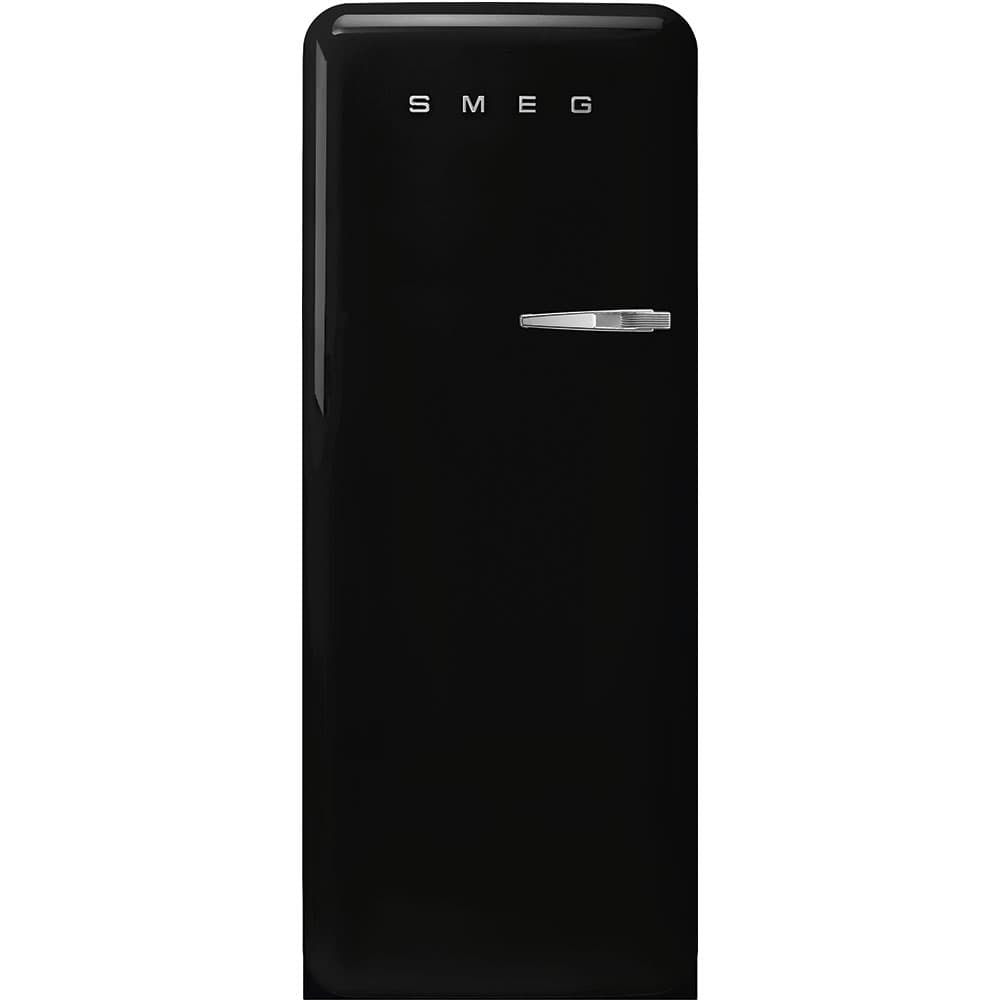
The Smeg FAB28ULBL3 is a premium 270 L refrigerator that blends iconic 1950s retro aesthetics with advanced Inverter technology.This 270 L capacity unit is perfect for a family of 3-4 members who prioritize high-end design without compromising on food freshness.
Quick Answer
Yes, the Smeg FAB28ULBL3 is an excellent choice for design-forward Indian households prioritizing aesthetics. This 270 L refrigerator perfectly blends iconic 1950s retro charm with reliable Inverter technology, ideal for a family of 3-4. While 'Not Rated' for efficiency, its premium build, Multi Flow cooling, and anti-bacterial gasket ensure superior food freshness. The FAB28ULBL3 is a lifestyle statement for residential use, guaranteeing consistent performance.
Choose the Smeg FAB28ULBL3 for its iconic retro design and dependable 270 L capacity, ideal for style-conscious Indian families of 3-4. However, avoid this model if your space demands greater capacity or if achieving the absolute lowest operational costs is your primary purchasing driver.
✓ Who Should Buy
- •270 L Not Rated performance suitable for residential spaces.
- •Verified efficiency of standard rating for reduced long-term operational costs.
- •Structural stability for consistent cleaning under rigorous use cases.
- •Hardware durability via premium components and R600a technology.
- •Built-in grid protection with Standard power cycle voltage management.
✕ Who Should Avoid
- •Spaces or usage requirements exceeding residential rated capacity.
- •Installations prioritizing minimum capital expenditure over high-efficiency performance.
- •Unstable grid conditions exceeding the functional threshold of Standard power cycle.
- •Environments incompatible with refrigerators physical and thermal dissipation specs.
| Country Of Origin | Italy |
| Brand | Smeg |
| Model | FAB28ULBL3 |
| Type | Single Door, Top Freezer |
| Launch Year | 2020 |
| Panel Display | LED |