

Related Products
s2 Specifications, Features & Compatibility Guide
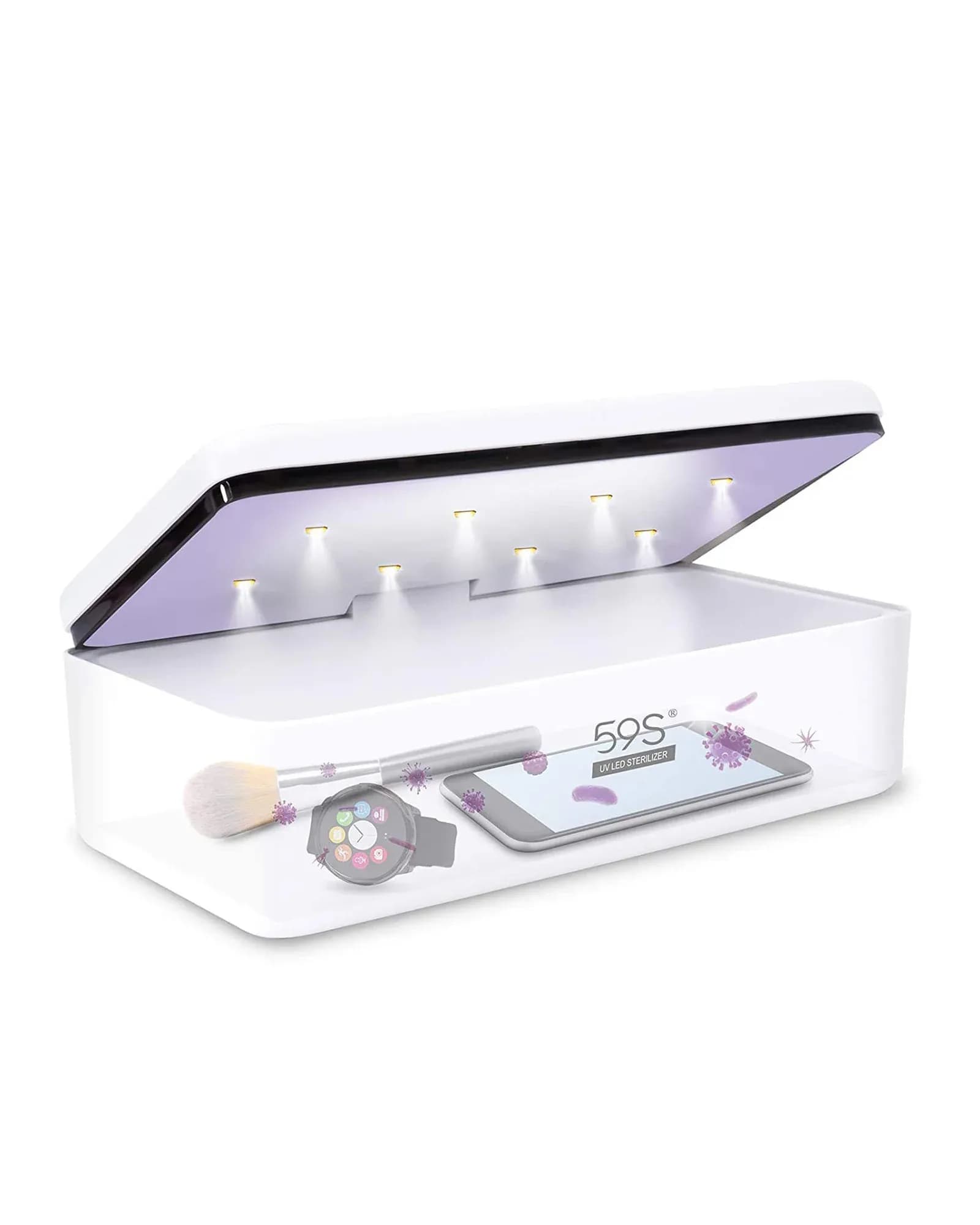
Indian urban environments present unique microbial challenges ranging from antibiotic-resistant bacteria to seasonal viral loads.The s2 serves as a critical barrier against these pathogens by offering hospital-grade disinfection for high-touch personal items.
Quick Answer
Yes, you should buy the s2 UV Sterilizer Box if you prioritize hospital-grade disinfection for high-touch items like phones, baby bottles, and daily groceries within a residential setting. Its BEE-rated efficiency guarantees low operational costs, making the s2 a smart long-term investment for health-conscious Indian families seeking robust germ protection and peace of mind against urban pathogens.
The s2 UV Sterilizer is ideal for Indian families seeking reliable, energy-efficient germ protection for personal items and groceries in residential spaces. Avoid if your needs exceed standard home capacity or if initial capital expenditure overrides long-term efficiency benefits.
✓ Who Should Buy
- •Phones, baby bottles, cosmetics performance suitable for residential spaces.
- •Verified efficiency of standard rating for reduced long-term operational costs.
- •Structural stability for consistent cleaning under rigorous use cases.
- •Hardware durability via premium components and advanced technology.
- •Built-in grid protection with Standard power cycle voltage management.
✕ Who Should Avoid
- •Spaces or usage requirements exceeding residential rated capacity.
- •Installations prioritizing minimum capital expenditure over high-efficiency performance.
- •Unstable grid conditions exceeding the functional threshold of Standard power cycle.
- •Environments incompatible with uv sterilizer box physical and thermal dissipation specs.