

Why the Wrong AC Repair Choice Can Cost You More in the Long Run
Learn how unclear AC repair decisions lead to repeat issues and higher costs, and how to choose the right repair with confidence.
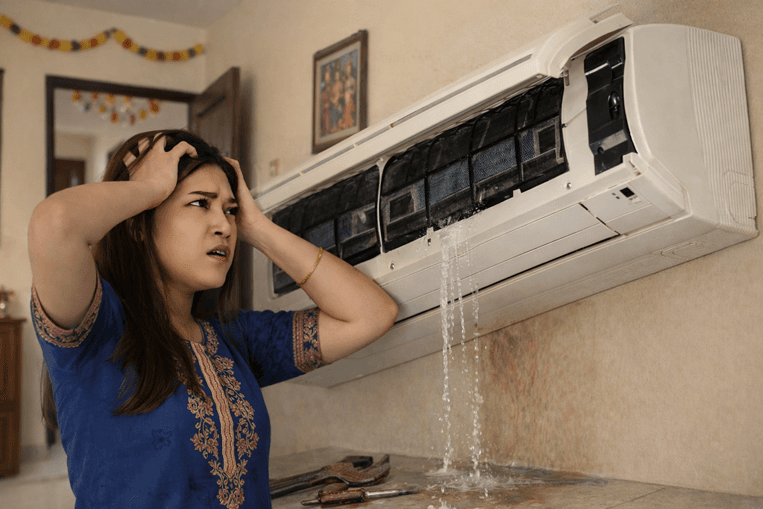
April heat is kicking in and your AC suddenly stops working. You just want it fixed quickly, so you check a few options and pick what seems right. But this is where things often go wrong. It is not just about the price. It is about understanding what the repair actually includes. Let’s see why this happens in this guide.
Why AC repair decisions are more complex than they seem
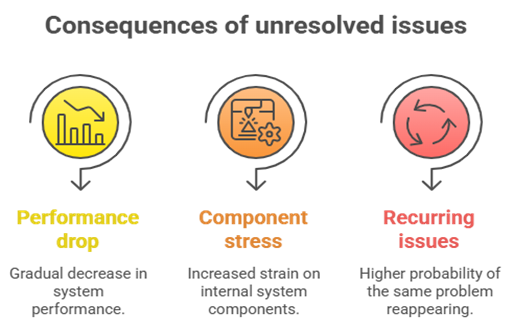
At first, most AC issues feel simple. Cooling drops, there is some noise, or performance feels off. It looks like something that can be fixed quickly. But AC systems do not work in isolation. Everything is connected. So what you see is often just the visible part of a deeper issue. If the repair focuses only on that visible problem, the real cause may still remain.
This usually leads to a familiar pattern:
- The AC starts working again
- The issue quietly continues in the background
- The same problem shows up again
And that is where the real cost begins. Not in the repair itself, but in fixing the same problem repeatedly.
Why the wrong choice is not about price, but about clarity
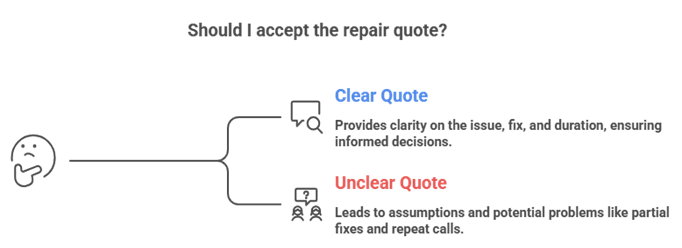
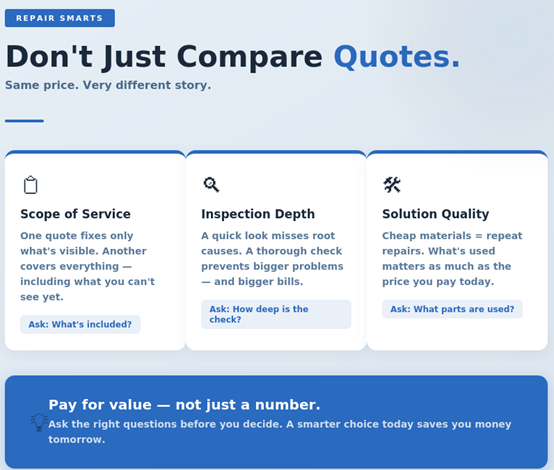
One of the biggest misconceptions in AC repair is that price alone tells you everything about the service. But in reality, what matters more is clarity. Before saying yes to any repair, a few basic things should be clear:
- What exactly is the issue
- What is being fixed
- Whether the solution is temporary or long-term
When this clarity is missing, decisions are made on assumptions rather than understanding. That is when issues begin to build over time. It often leads to:
- Partial fixes
- Mismatched expectations
- Repeat service calls
For many households, appliance repairs are handled as one-time, urgent tasks. Fixing something only when it breaks seems practical, but it often leads to a cycle of repeated repairs, higher costs, and increasing frustration. Without a structured approach, service decisions remain inconsistent, and long-term costs continue to rise.
The impact of disconnected service decisions
One of the most common mistakes is treating every repair as a separate event. When a problem arises, the focus is on quick availability rather than continuity. This often means hiring different technicians every time, with no record of what was done earlier.
This lack of continuity leads to:
- Repeated problems
- Inconsistent repairs
- Increasing overall cost
Organized households avoid this by ensuring a more consistent approach to service.
Why structured service decisions reduce long-term costs
The way decisions are made during a repair directly impacts how effective that repair will be. In many cases, decisions are driven by urgency rather than understanding. When something stops working, the priority becomes fixing it quickly and restoring basic functionality. Well-organized households approach this differently. They focus on understanding the problem first, ensuring proper diagnosis, and choosing solutions that last.
Without proper diagnosis, even a well-executed repair can fail. When diagnosis is rushed or skipped, repairs become guesswork. This leads to trial-and-error fixes, multiple service visits, and increasing frustration and cost. A structured approach ensures that the root cause is identified, related issues are detected, and the repair addresses the actual problem. This significantly reduces the chances of repeated repairs over time.
Why reactive servicing leads to higher expenses
Many households follow a reactive approach to servicing. Action is taken only when something stops working completely. This creates a cycle where a problem appears, a quick repair is done, the issue returns, and another repair is required. Each step adds to the overall cost.
Reactive servicing also limits your ability to make informed decisions. When something breaks suddenly, there is less time to evaluate options. This often leads to decisions based on convenience, availability, or immediate cost. Over time, this approach becomes more expensive than expected.
Why service consistency matters more than frequency
Many people believe that frequent servicing is the key to reducing repairs. But frequency alone is not enough. What matters more is consistency. When different technicians handle the same appliance without context, service quality varies and previous issues are not tracked. Repairs lack continuity, and outcomes become unpredictable.
Consistent service ensures:
- Better understanding of appliance history
- More accurate diagnosis
- More reliable outcomes
It brings stability to a process that is otherwise uncertain.
Common service-related patterns that increase repair costs
In many households, certain patterns unintentionally lead to higher service costs. These patterns are not always obvious, but they build up over time. Some of the most common ones include choosing a different technician for every issue, not asking for a clear explanation of the problem, accepting temporary fixes without clarity, ignoring follow-up checks, and delaying service until breakdown.
Individually, these habits may not seem serious. But over time, they create a cycle of repeated repairs and rising expenses.
Simple ways to manage appliance services better
Improving service management does not require technical knowledge. It requires a more structured approach. A few simple changes can make a noticeable difference. You can start by asking for proper diagnosis before approving repairs, understanding what is being fixed and why, choosing reliability over quick availability, and keeping track of recurring issues. These steps help reduce uncertainty and improve service outcomes.
Why having a reliable service system changes everything
One of the biggest challenges households face is uncertainty. Every time an appliance needs repair, the same questions come up: Who should I call, will the issue be diagnosed correctly, and will the problem come back? Without a reliable system, every repair becomes a new risk. This leads to inconsistent service quality, repeated trial and error, and higher long-term costs over time. A structured approach removes this uncertainty by bringing consistency into how problems are handled.
Why Fatafat Service matters
Most households do not struggle because of appliances. They struggle because services are handled as one-time tasks. There is no record, no continuity, and no clear view of what has been done earlier. Fatafat Service brings structure into this process.
Instead of starting from scratch every time, it helps connect each service into a more consistent system. This is where a Home360 approach comes in. It gives you a clearer view of your home services in one place, helping you track past work and make better decisions going forward.
- From uncertainty to clarity
- From repeated issues to better outcomes
- From one-time fixes to connected service history
This is what helps reduce repair costs over time.
The long-term impact of better service management
When appliance services are handled consistently and correctly, the benefits become clear over time. Households experience fewer breakdowns, lower repair frequency, better appliance performance, and reduced overall expenses. This is not because problems do not occur. It is because they are managed more effectively.
The bottom line
Appliance repair costs are not just about the appliance. They are about how services are managed around it. Well-organized households do not just fix problems. They handle them better. And that is what helps them spend less on repairs over time.
If you’re wondering why your electricity usage remains high even with similar AC setups, this explains why: Read this:
Stay ahead of appliance issues with the right service approach. Contact Fatafat Service today.
FAQs
1. Why do organized households face fewer appliance disruptions?
Because they follow a structured approach to handling issues, ensuring problems are identified and resolved before they escalate.
2. What makes appliance servicing more effective over time?
Consistency in how services are handled helps maintain performance and prevents recurring issues.
3. How can I avoid repeated service issues at home?
By maintaining continuity in servicing, understanding past issues, and ensuring problems are handled completely.
4. How does Fatafat Service help improve service consistency?
Fatafat Service connects you with verified technicians, helping ensure more reliable and consistent service experiences across different issues.
5. Can Fatafat Service support long-term appliance management?
Yes, by enabling timely and structured servicing, it helps households manage appliances more efficiently and avoid repeated disruptions.